Shandong Fengtu IOT Technology Co., Ltd
Sales Manager:Ms. Emily Wang
Cel,Whatsapp,Wechat:+86 15898932201
Email:info@fengtutec.com
Add:No. 155 Optoelectronic Industry Accelerator, Gaoxin District, Weifang, Shandong, China


Sales Manager:Ms. Emily Wang
Cel,Whatsapp,Wechat:+86 15898932201
Email:info@fengtutec.com
Add:No. 155 Optoelectronic Industry Accelerator, Gaoxin District, Weifang, Shandong, China
time:2026-03-06 09:47:54 source:Weather Station viewed:345 time
An automatic rain gauge is a water situation monitoring system that measures, records, and automatically reports various rainfall information. It consists of an optical rain gauge, a data logger, and other components. It can wirelessly transmit rainfall data remotely to a monitoring platform, allowing users to view real-time and historical rainfall data.
Automatic rain gauges are professional water situation monitoring equipment. Their core function is to automatically collect, record, and remotely report rainfall information, eliminating the need for on-site human supervision and significantly improving the efficiency and accuracy of water situation monitoring. Their components have clearly defined roles: the optical rain gauge is responsible for accurately capturing rainfall information and is the core sensing component of the entire device; the data logger is responsible for collecting and initially processing rainfall data to ensure data integrity and accuracy; the solar power system ensures stable operation of the equipment and is suitable for outdoor scenarios without mains power supply; and the pole support is used to fix the equipment, ensuring a reasonable observation angle and stable operation.
The most prominent advantage of this equipment is its support for wireless remote transmission. It can send the collected rainfall data to the monitoring platform in real time. Personnel can remotely obtain various rainfall information without going to the site, greatly reducing monitoring costs and manual workload. The monitoring platform provides a wealth of rainfall data, covering rainfall status, one-minute rainfall, five-minute rainfall, ten-minute rainfall, one-hour rainfall, and daily rainfall. It can also generate monthly and daily rainfall bar charts, as well as hourly rainfall variation curves and bar charts within a day, intuitively presenting rainfall change patterns.
Automatic rain gauges are applied in scenarios that align with people's livelihoods and production needs. In flood control and drought relief efforts, real-time rainfall data provides relevant departments with accurate references, helping to promptly issue early warnings, take preventative measures in advance, and reduce losses caused by floods and droughts. In agricultural production, farmers can view rainfall data to rationally plan irrigation and drainage activities, avoiding the negative impact of excessive or insufficient rainfall on crop growth.
Furthermore, automatic rain gauges play a crucial role in water resource management, meteorological observation, and ecological environment monitoring, providing reliable rainfall data support for water resource allocation, climate analysis, and ecological protection. Compared to traditional manual rainfall observation, automatic rain gauges offer higher observation frequency and more accurate data, and can achieve 24/7 uninterrupted monitoring, effectively avoiding the errors and spatial and temporal limitations of manual observation. They are easy to operate, stable in operation, and adaptable to various outdoor environments, making them an indispensable core device in the field of water situation monitoring, providing a solid guarantee for the orderly conduct of various related tasks.
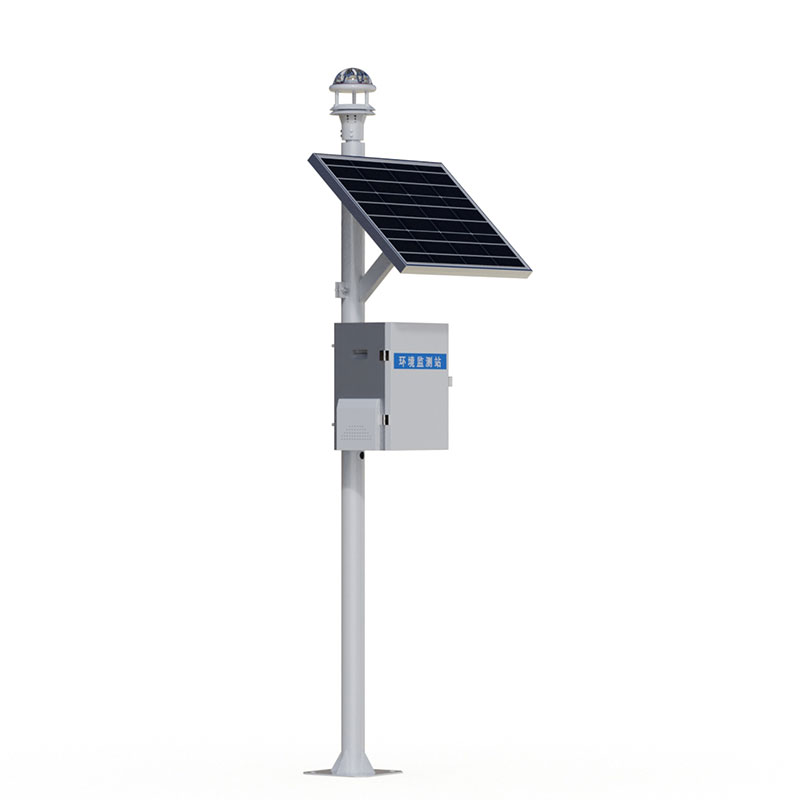
The traditional monitoring stations are sparsely distributed, making it difficult to comprehensively detect the traces of pollutants. In contrast, the Air Quality Micro-station introduces the concept of grid-based deployment, dividing the monitoring area into fine grids. Each grid is equipped with m...
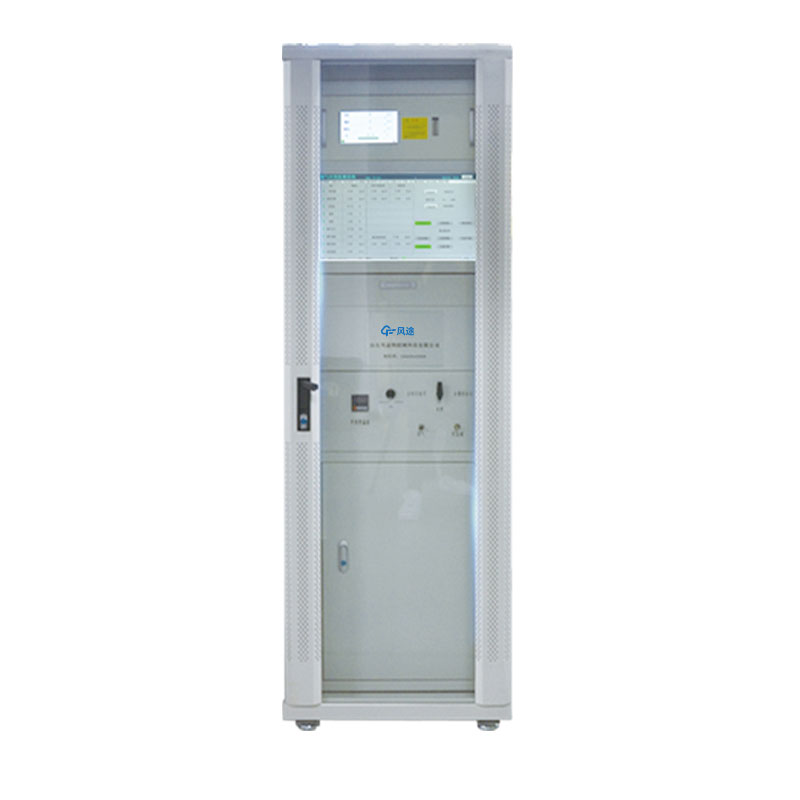
industrial sensors Measuring the physical characteristics or changes in the industrial environment, types are: temperature sensors, pressure sensors, level sensors, infrared sensors, smoke sensors, optical sensors, etc....
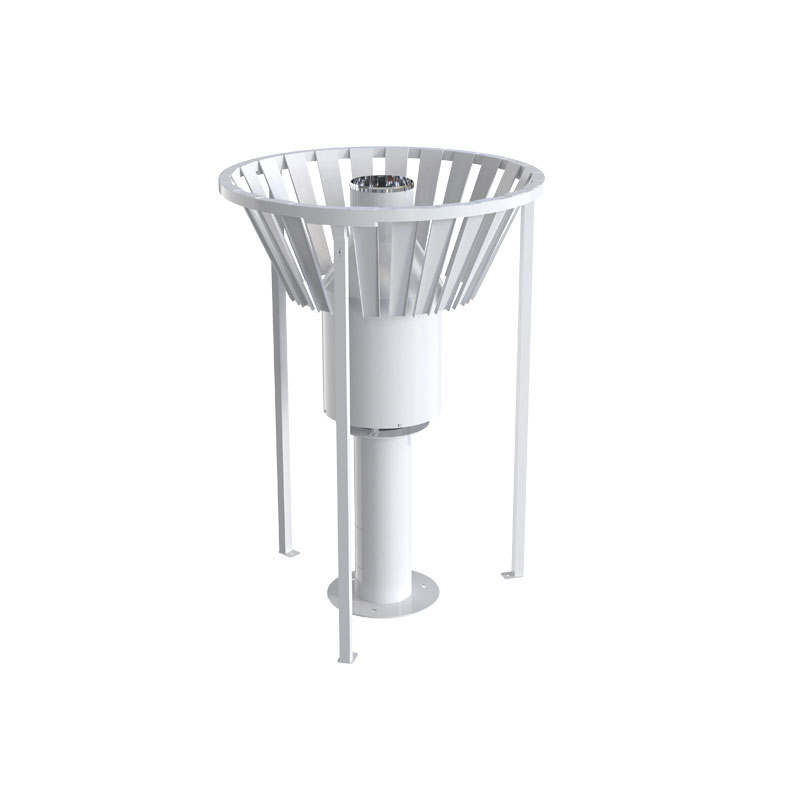
The quality of water resources is directly related to human survival and ecological balance. Fengtu's online water quality detection equipment is fully functional. For example, the online pH tester (FT-ZS3) can quickly and accurately record the pH value of water bodies. It also supports the expa...
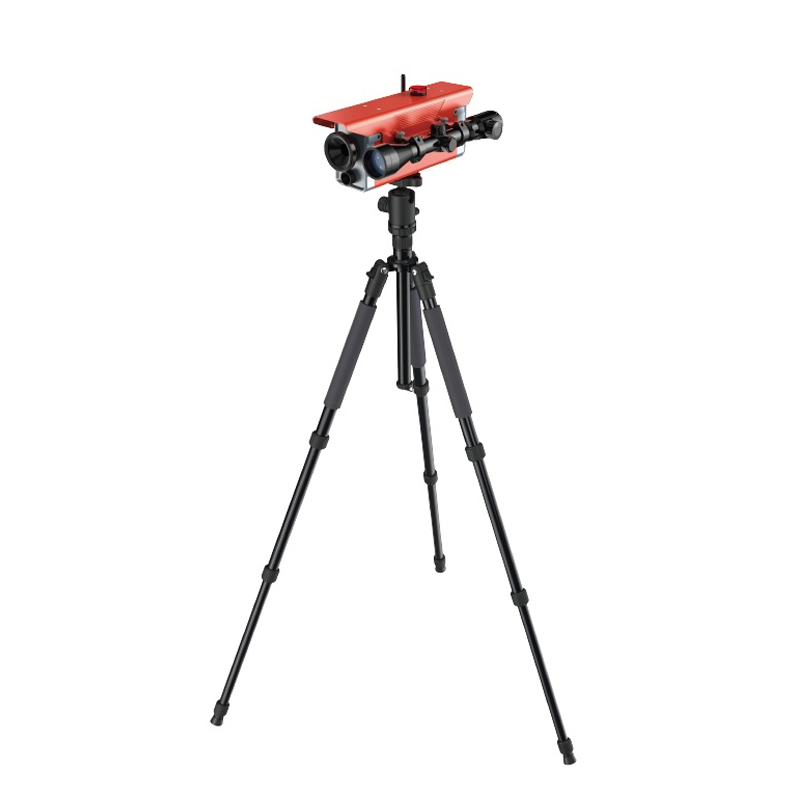
Most of the modern meteorological monitoring stations are developing in the direction of all-day unattended operation. The establishment of automatic meteorological monitoring stations is in urgent need of more accurate and maintenance-free automatic monitoring instruments, including wind anemometer...


 Skype
Skype
 whatsapp
 mail
mail