Shandong Fengtu IOT Technology Co., Ltd
Sales Manager:Ms. Emily Wang
Cel,Whatsapp,Wechat:+86 15898932201
Email:info@fengtutec.com
Add:No. 155 Optoelectronic Industry Accelerator, Gaoxin District, Weifang, Shandong, China


Sales Manager:Ms. Emily Wang
Cel,Whatsapp,Wechat:+86 15898932201
Email:info@fengtutec.com
Add:No. 155 Optoelectronic Industry Accelerator, Gaoxin District, Weifang, Shandong, China
time:2024-09-12 13:13:18 source:Weather Station viewed:788 time
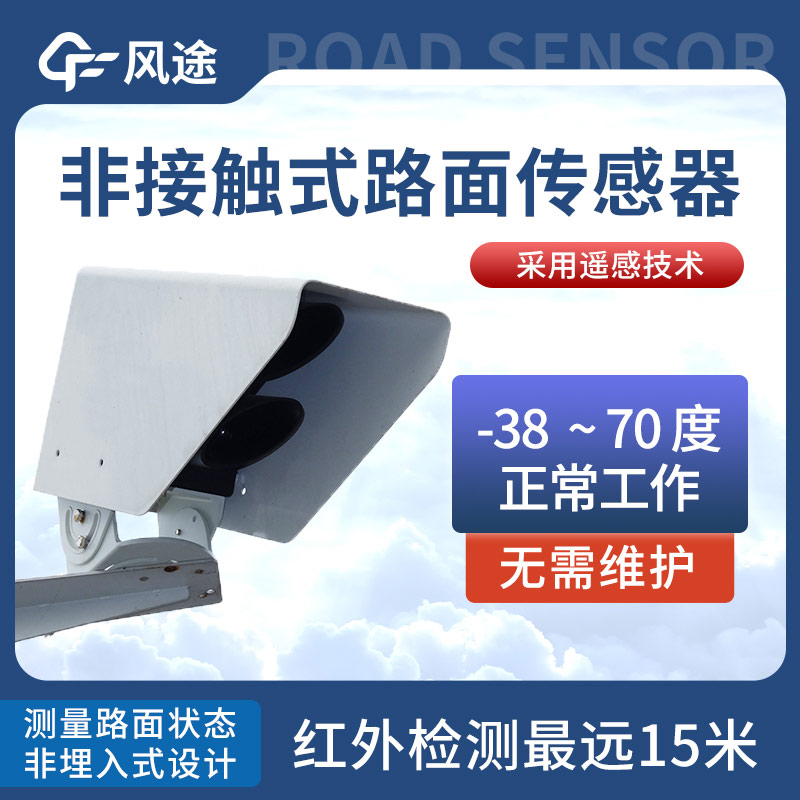
Non Contact Road Condition Sensor is the heart of an automatic traffic meteorological station. It detects wind speed and direction by measuring the time difference of ultrasonic waves traveling through the air, and monitors key meteorological parameters such as air temperature, humidity, and atmospheric pressure in real time. These sensors are specially designed to work in a variety of harsh atmospheric conditions, and can detect changes in the road surface, such as icing, snow accumulation, and water pooling, as well as their impact on road slipperiness.
The Non Contact Road Condition Sensor uses spectral remote sensing to measure the road surface. An infrared emitter is aimed at the road surface, and the emitted light is reflected back to the receiver from the pavement, allowing it to distinguish reflections caused by water and ice at specific wavelengths. This highly sensitive detection capability enables the sensor to detect signs of the road surface becoming slippery when the ice layer reaches about 30 micrometers. The sensor can also differentiate between hard ice with low water content and soft ice containing a lot of water or salt, as hard ice, despite having less ice, is more slippery than soft ice.
The installation of Non Contact Road Condition Sensors is simple and does not require road disruption, so it does not interfere with traffic. They can be mounted on poles next to the road or as part of a meteorological station. Data from the sensors can be transmitted via communication interfaces such as RS485, making it easy to integrate with existing meteorological monitoring systems.
The new automatic weather station is a new modern meteorological monitoring system that uses the Internet of Things, computers, wireless communication, and network technology in the traditional means of meteorological observation. It has the following advantages compared with the previous manual wea...
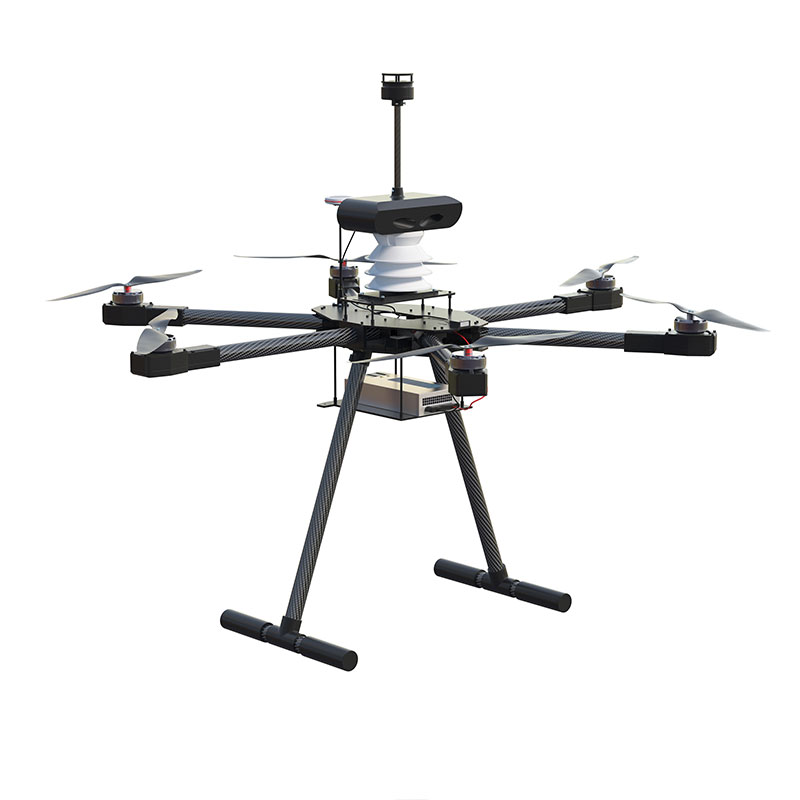
Aviation safety is closely linked to meteorological conditions. Every flight—whether it's takeoff, en route, or landing—is inevitably affected by the weather conditions. Accurate meteorological information is crucial for ensuring flight safety as it helps pilots and air traffic controllers mak...
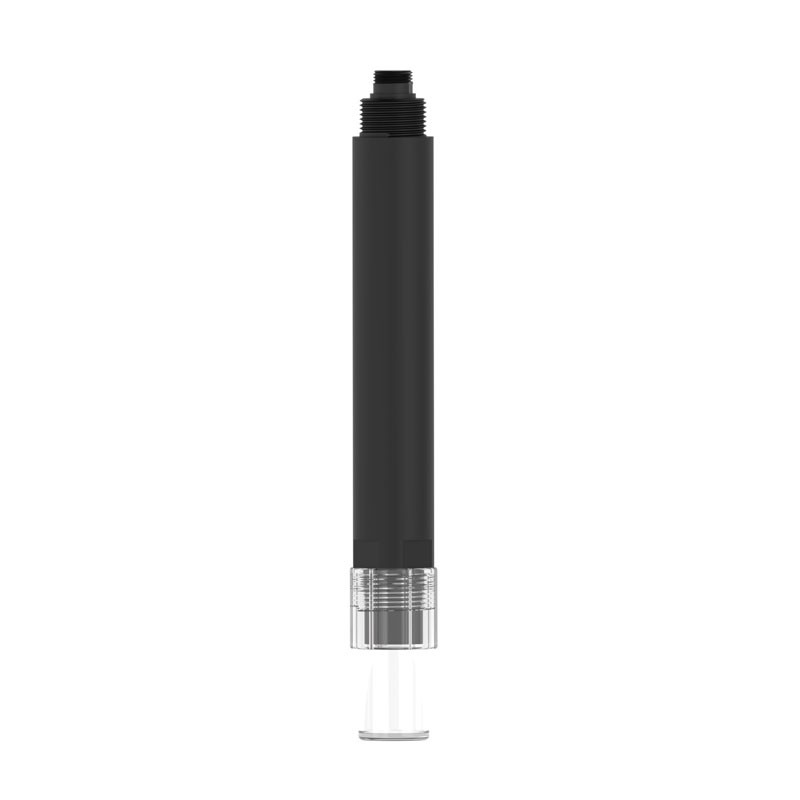
Water level meter is a product launched by Windway Technology, model FT-SW1, which can measure water level data of waters in real time, including rivers, lakes, reservoirs, dams and other areas. It uses a radar water level sensor that measures water level information in a non-contact manner using K-...
Industrial Meteorological Sensors play an important role in meteorological monitoring and research, and they have a rich variety of types, covering the measurement of multiple meteorological elements.Temperature sensors are a major category. Glass liquid thermometers rely on the thermal expansion an...


 Skype
Skype
 whatsapp
 mail
mail