News Center-Shandong Fengtu IOT Technology Co., Ltd
Search Icon
Weather Station

PRODUCT CENTER

Contact us

Shandong Fengtu IOT Technology Co., Ltd

Sales Manager:Ms. Emily Wang

Cel,Whatsapp,Wechat:+86 15898932201

Email:info@fengtutec.com

Add:No. 155 Optoelectronic Industry Accelerator, Gaoxin District, Weifang, Shandong, China

location:Home>News
How Online Water Hardness Sensors Achieve Stable Monitoring via the Conductivity Method

How Online Water Hardness Sensors Achieve Stable Monitoring via the Conductivity Method

Water hardness is a fundamental parameter in industrial water treatment and environmental water quality monitoring; excessive hardness often leads to scaling in pipelines and reduced equipment efficiency. Online water hardness sensors replace manual sampling with continuous measurement, providing re...

Read More
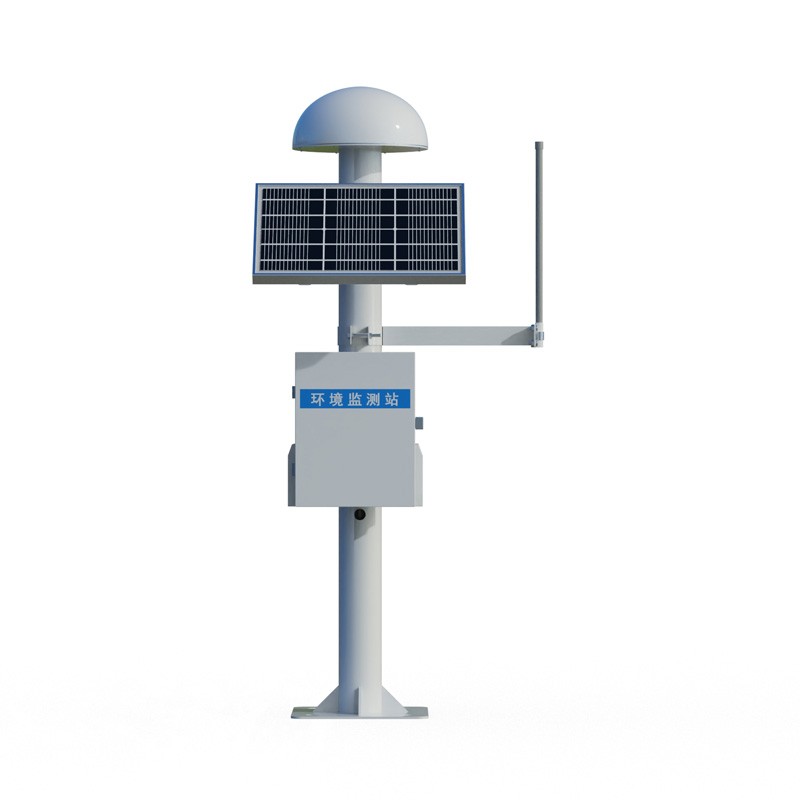
How Integrated, Self-Powered GNSS Monitoring Stations Achieve Millimeter-Level Displacement Monitoring

How Integrated, Self-Powered GNSS Monitoring Stations Achieve Millimeter-Level Displacement Monitoring

Integrated, self-powered GNSS monitoring stations utilize differential RTK (Real-Time Kinematic) technology to provide millimeter-level displacement data for engineering safety monitoring. These units consolidate a GNSS receiver, a power supply system, and a communication module into a single enclos...

Read More
Water PH Sensor: Selection, Installation, and Maintenance

Water PH Sensor: Selection, Installation, and Maintenance

The Water PH Sensor is designed for environmental water quality monitoring and the testing of water samples with varying ionic strengths. It supports RS485 and 4-20mA outputs, utilizes a low-impedance glass membrane combined with signal isolation technology, and features an IP68 ingress protection r...

Read More
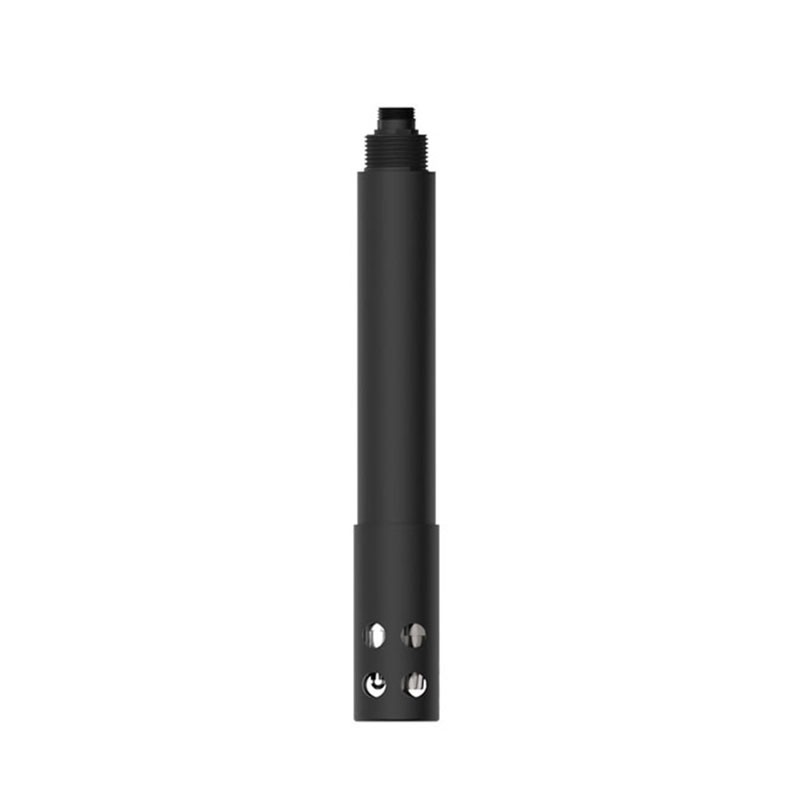
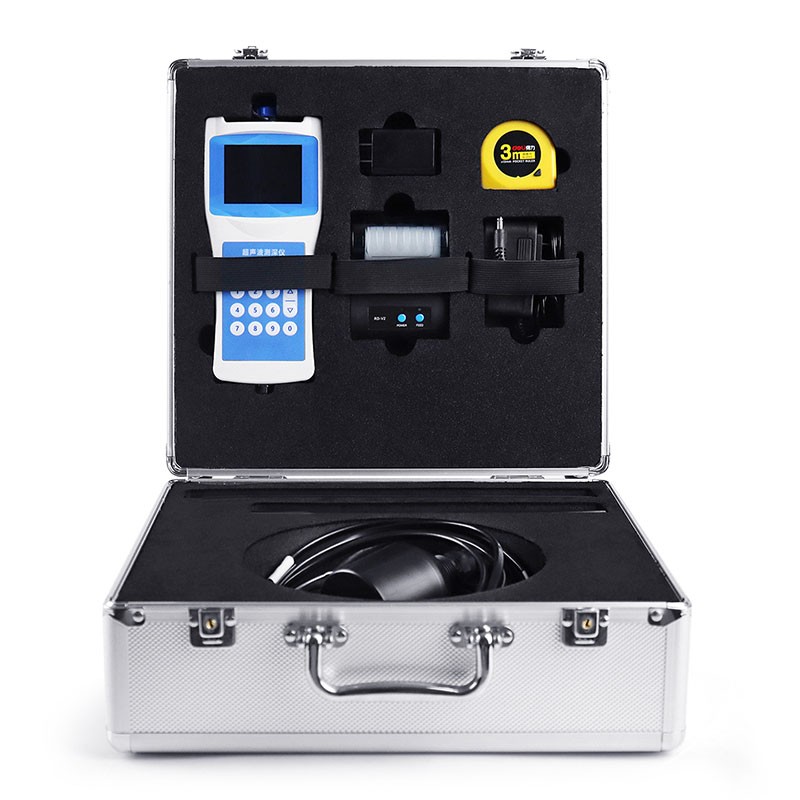
Portable Ultrasonic Water Depth Meter Utilizing Ultrasonic Technology for Water Depth Surveying in Rivers, Lakes, and Reservoirs

Portable Ultrasonic Water Depth Meter Utilizing Ultrasonic Technology for Water Depth Surveying in Rivers, Lakes, and Reservoirs

Portable Ultrasonic Water Depth Meter employs an ultrasonic measurement method with a range of 0 to 150 meters and a blind zone of 0.5 meters. It features automatic gain adjustment and a resolution of up to 0.1 millimeters. Capable of operating in both still water and flowing water with velocities o...

Read More
Residual Chlorine Sensor Enables simultaneous online monitoring of residual chlorine and pH levels in water

Residual Chlorine Sensor Enables simultaneous online monitoring of residual chlorine and pH levels in water

Residual Chlorine Sensor Equipped with a pH detection unit, this system covers a measurement range of 0–5 mg/L for residual chlorine and 0–14 for pH. It supports RS485 Modbus-RTU communication, making it ideal for continuous water quality data collection in applications such as water treatment pla...

Read More
Water Depth and Temperature Detector is designed for conducting hydrological and bathymetric surveys in rivers, lakes, and reservoirs

Water Depth and Temperature Detector is designed for conducting hydrological and bathymetric surveys in rivers, lakes, and reservoirs

Water Depth and Temperature Detector utilizes the principle of acoustic reflection to collect water depth data. It features a measurement range of 0 to 80 meters with a blind zone of no more than 0.5 meters. It is suitable for use in both still water and flowing water (with flow velocities up to 5 m...

Read More
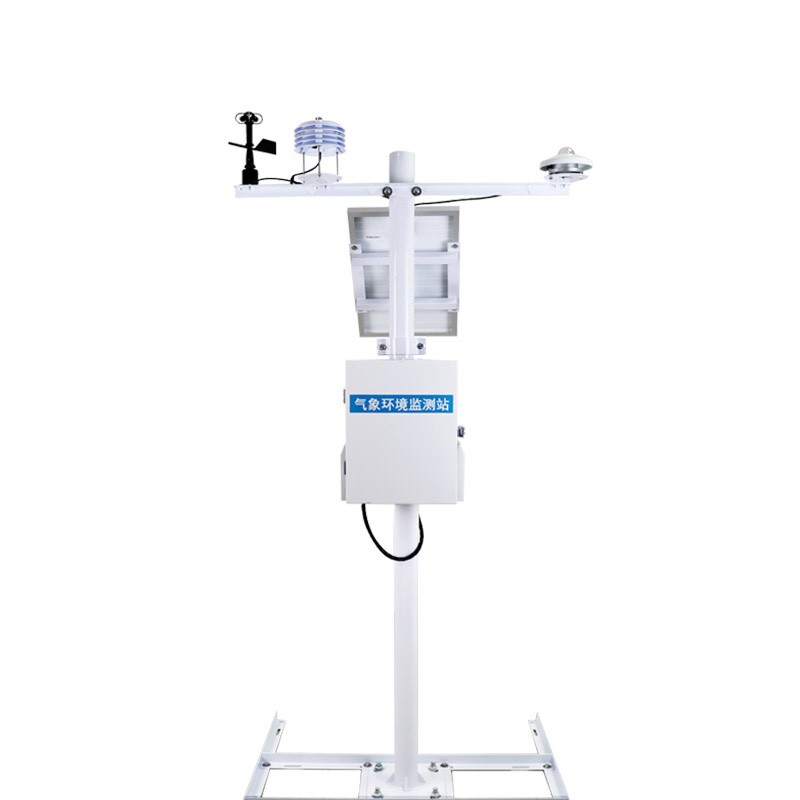
Photovoltaic Weather Stations: Collecting Environmental Data to Support the Stable Operation of Distributed PV Power Plants

Photovoltaic Weather Stations: Collecting Environmental Data to Support the Stable Operation of Distributed PV Power Plants

Photovoltaic (PV) weather stations are specialized meteorological instruments designed for the solar energy sector. They monitor parameters such as wind speed and direction, temperature and humidity, atmospheric pressure, total solar irradiance (global horizontal irradiance), sunshine duration, and...

Read More
Impact of GNSS Monitoring Point Spacing on Dam Displacement Measurement Accuracy

Impact of GNSS Monitoring Point Spacing on Dam Displacement Measurement Accuracy

In dam displacement monitoring, the distance between GNSS points—defined by the baseline length—is a critical control parameter. It is recommended that the spacing between the reference station and the monitoring station be kept within 500 meters, with a maximum baseline not exceeding 2,000 meters...

Read More
Online ORP Sensor Continuous Oxidation-Reduction Potential (ORP) Monitoring for Industrial Water Quality

Online ORP Sensor Continuous Oxidation-Reduction Potential (ORP) Monitoring for Industrial Water Quality

The Online ORP Sensor is designed for continuous oxidation-reduction potential (ORP) monitoring in industrial water applications. It is compatible with water samples of both high and low ionic strength. Utilizing an electrochemical salt bridge measurement principle, it features a platinum-plate indi...

Read More
Shandong Fengtu, a manufacturer of rainfall monitoring equipment, offers a piezoelectric rainfall sensor

Shandong Fengtu, a manufacturer of rainfall monitoring equipment, offers a piezoelectric rainfall sensor

The Shandong Fengtu piezoelectric rainfall sensor utilizes a PVDF piezoelectric film as its sensing element. It incorporates an embedded AI neural network to identify raindrop signals, effectively reducing false triggers caused by debris (such as gravel or dust) or vibrations. The sensor provides st...

Read More
Skype Skype whatsapp whatsapp mail mail