Shandong Fengtu IOT Technology Co., Ltd
Sales Manager:Ms. Emily Wang
Cel,Whatsapp,Wechat:+86 15898932201
Email:info@fengtutec.com
Add:No. 155 Optoelectronic Industry Accelerator, Gaoxin District, Weifang, Shandong, China


Sales Manager:Ms. Emily Wang
Cel,Whatsapp,Wechat:+86 15898932201
Email:info@fengtutec.com
Add:No. 155 Optoelectronic Industry Accelerator, Gaoxin District, Weifang, Shandong, China
time:2025-12-26 09:14:17 source:Weather Station viewed:820 time
2D Ultrasonic Anemometer is a precision measuring instrument based on the ultrasonic time-of-flight principle, capable of simultaneously measuring horizontal wind speed and direction. The device features an integrated stainless steel design, a robust structure, fast response speed, and accurate measurement data. It is widely used in various professional fields, including meteorological monitoring, agricultural environmental management, industrial safety production, and urban wind field research, providing reliable technical support for scenarios requiring precise wind field data.
The core technology of 2D Ultrasonic Anemometer is the ultrasonic time-of-flight measurement principle. The instrument typically contains pairs of ultrasonic transmitters and receivers. When ultrasound propagates in the air, its propagation speed is vectorially superimposed with the air flow speed, i.e., the wind speed. The actual speed of ultrasound propagating in the downwind direction will be faster, while it will be slower in the upwind direction. By precisely measuring the time difference of ultrasonic propagation in both forward and reverse directions along the same path, the instrument can calculate the wind speed component in that direction. By measuring the wind speed components along two orthogonal paths, the instrument can simultaneously determine the magnitude and direction of the horizontal wind speed at the current point. This method has no mechanical moving parts and is a physical measurement method, so the starting wind speed is extremely low, responding almost from zero wind speed, and there are no problems of mechanical wear and inertial delay.
A significant visual feature of this instrument is its integrated stainless steel design. The entire sensor body is precisely machined from high-quality stainless steel, resulting in a seamless and gapless structure. This design offers multiple advantages: Firstly, it gives the product extremely high mechanical strength and integrity, capable of withstanding long-term outdoor exposure to sunlight, rain, salt spray corrosion, and a certain degree of physical impact. Secondly, the integrated casing effectively prevents the intrusion of rainwater, dust, and corrosive gases, with a protection rating usually reaching IP65 or higher, ensuring the long-term stable operation of the internal precision circuits and ultrasonic transducers. Finally, the simple and streamlined integrated design reduces wind resistance and prevents the accumulation of debris, resulting in less influence on the measurement results from the instrument itself, leading to more accurate and reliable data.
In terms of performance, 2D Ultrasonic Anemometer is known for its fast response and high accuracy. Based on the ultrasonic time-of-flight principle, it completely overcomes the mechanical inertia limitations of traditional mechanical anemometers or wind vanes, offering extremely short response times, typically capturing instantaneous wind changes at millisecond speeds, accurately reflecting turbulence and gust characteristics. Its measurement accuracy is high, with wind speed measurement errors typically kept within a small range, and wind direction resolution reaching 1 degree. This high performance makes it suitable not only for conventional average wind speed monitoring but also for professional fields requiring precise dynamic wind field data, such as wind energy assessment, atmospheric diffusion studies, and bridge and tunnel ventilation safety.
Based on these technical characteristics, 2D Ultrasonic Anemometer has a wide range of applications. In meteorological monitoring, it is a standard component of automatic weather stations and gradient observation towers, providing basic climate data. In agricultural management, it helps monitor microclimates in farmland, providing a basis for precision irrigation, pest and disease control, and greenhouse ventilation. In industrial safety, it is deployed on port cranes, large chemical parks, and highway wind-prone areas, issuing timely warnings when wind speeds exceed safety thresholds to prevent accidents. Furthermore, it is an important tool for obtaining critical wind field data in urban planning, wind power site selection, environmental monitoring, and scientific research.
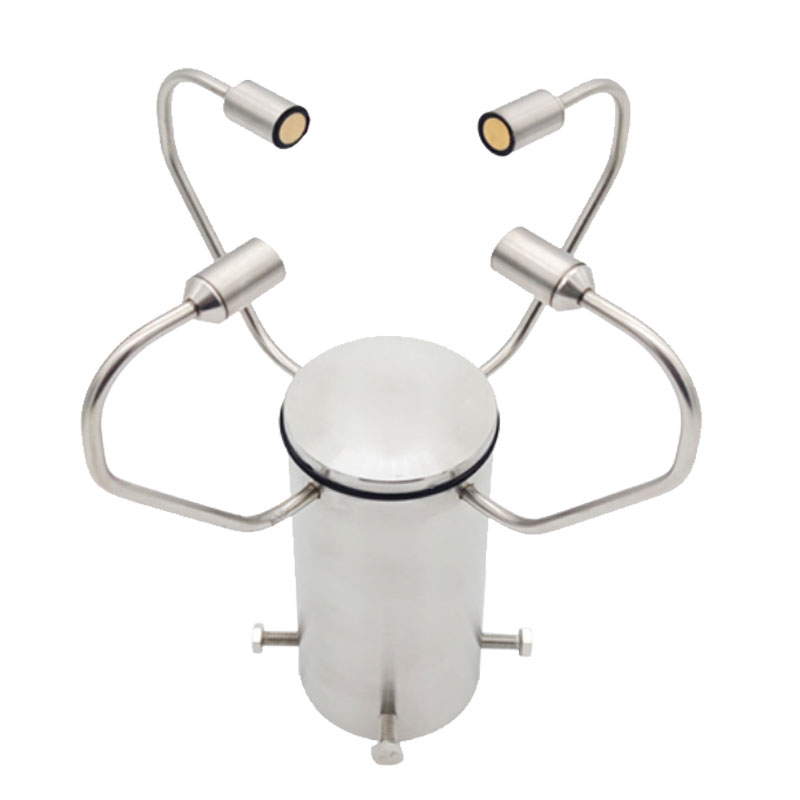
Ultrasonic wind speed sensor principle:It uses ultrasonic time difference method to realize wind speed and wind direction measurement. As the speed of sound propagation in the air, it will be and wind direction. Above the airflow speed iteration. If the ultrasonic propagation direction and the wind...
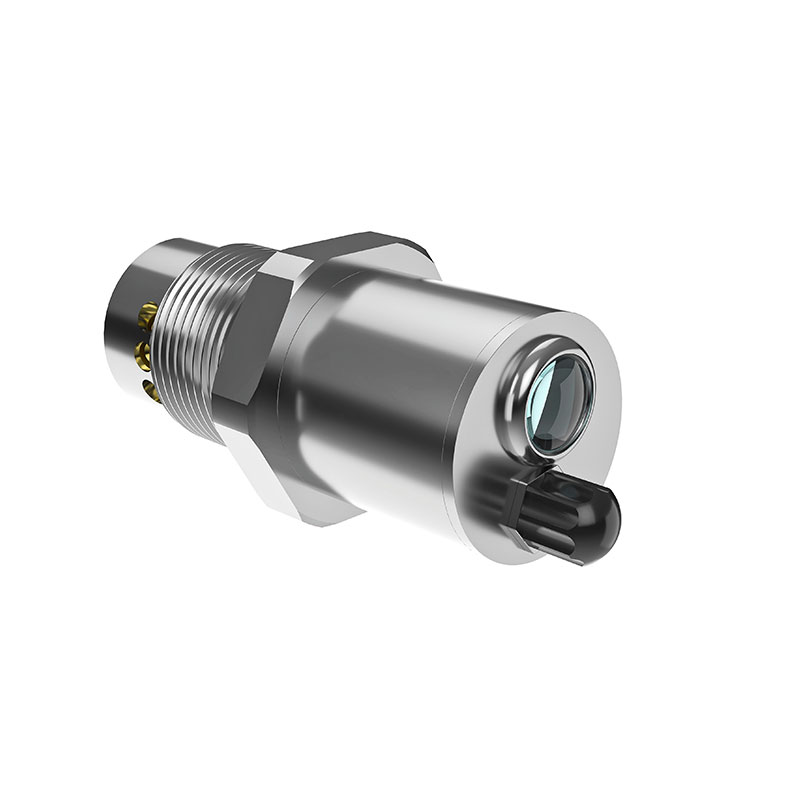
Integrated rainfall monitoring station is an important part of rainfall monitoring, which can realize the observation and analysis of real-time rainfall situation in different stations in the region. Traditional integrated rainfall monitoring data has problems such as data collection and storage dif...
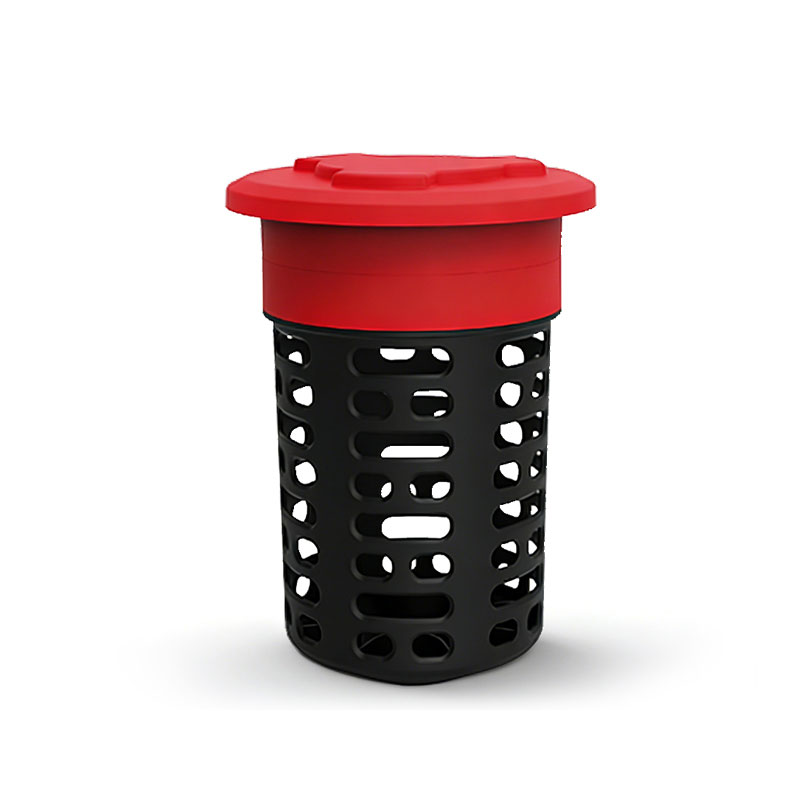
Soil detection systems include a variety of equipment and technologies used to analyze and assess soil quality, detecting various parameters of the soil, such as nutrient content, moisture, pH value, organic matter, etc. Here are some common soil detection systems:Soil moisture monitor: Used for in-...
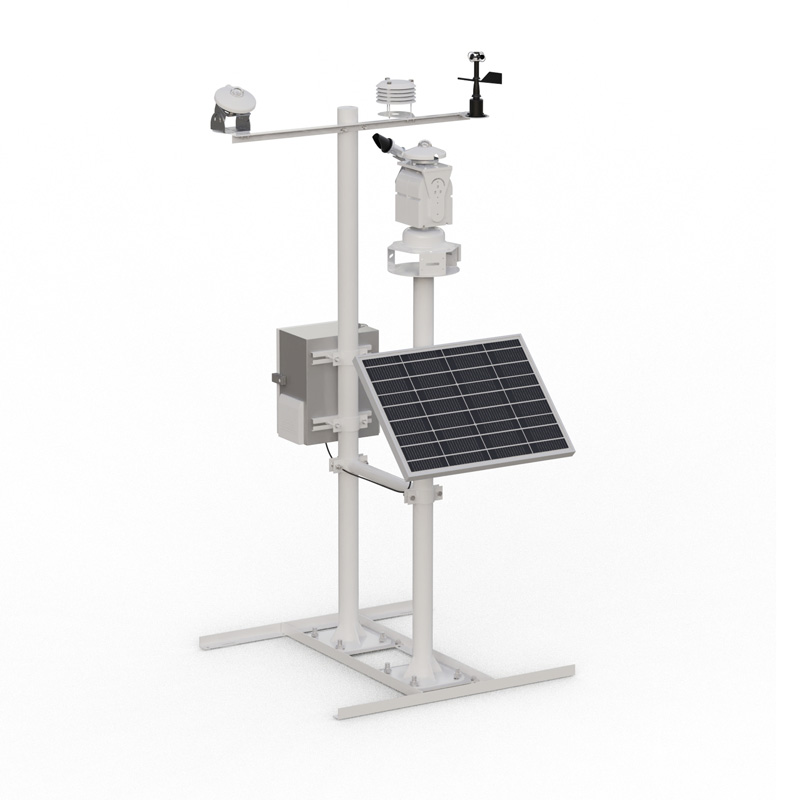
Piezoelectric Six Elements Sensor FT-Y6 is a high-performance meteorological monitoring device capable of simultaneously measuring six meteorological elements such as temperature, humidity, wind speed, wind direction, atmospheric pressure and rainfall. It adopts advanced piezoelectric sensor technol...


 Skype
Skype
 whatsapp
 mail
mail