Shandong Fengtu IOT Technology Co., Ltd
Sales Manager:Ms. Emily Wang
Cel,Whatsapp,Wechat:+86 15898932201
Email:info@fengtutec.com
Add:No. 155 Optoelectronic Industry Accelerator, Gaoxin District, Weifang, Shandong, China


Sales Manager:Ms. Emily Wang
Cel,Whatsapp,Wechat:+86 15898932201
Email:info@fengtutec.com
Add:No. 155 Optoelectronic Industry Accelerator, Gaoxin District, Weifang, Shandong, China
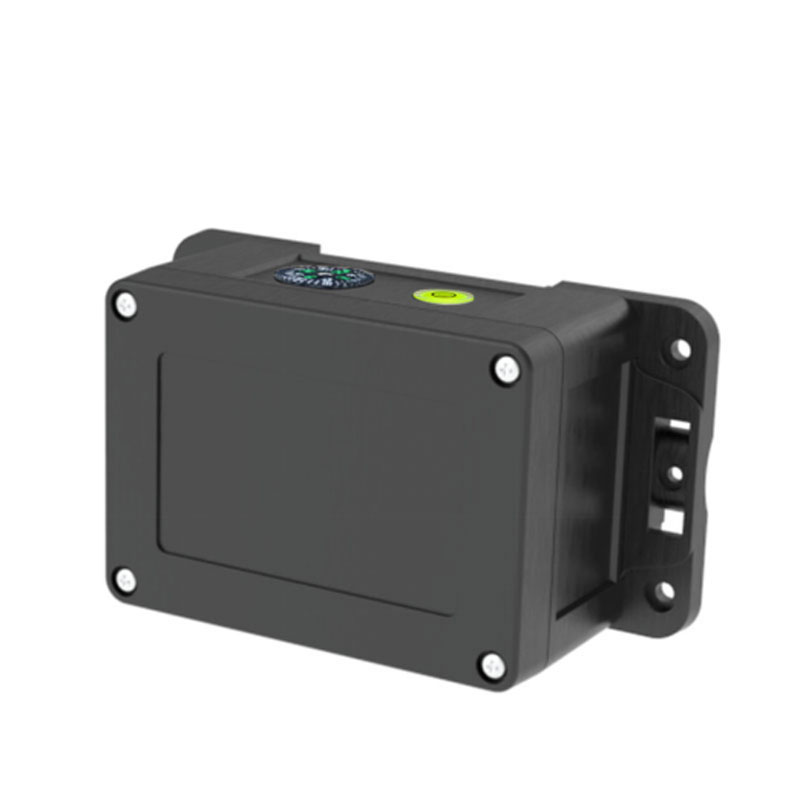
Model:FT-QX1
Brand:fengtu
1.Structural Health Monitor Application Environment Description
Structural Health Monitor is an instrument that accurately measures the incline of buildings. It can be used to detect the incline of buildings and accurately measure the amount of incline of buildings.Structural Health Monitor integrates a high-precision sensor and data processing unit, enabling real-time monitoring of minute tilt changes in geological bodies. It is suitable for monitoring in geological disasters, geotechnical engineering, construction engineering, transportation, water conservancy, municipal engineering, and other fields, specifically for real-time monitoring of high-frequency structural vibrations and minute tilt changes in geological disaster bodies.
Signal Output: RS485 (MODBUS-RTU).
Stable performance and long service life.
2、Structural Health Monitor Technical parameters
| Acceleration parameters | |
| Range | ±16g |
| Resolution | 0.5mg |
| Measurement accuracy | ±3% |
| Tilt parameter | |
| Range | X:±180°Y:±90°Z:±180° |
| Tilt accuracy | 0.1°(X、Y)1°(Z) |
| Resolution | 0.01 |
| Warm drift | ±0.5~1° |
| Case material | ABS |
| Cable length | Standard 5 meters |
| Supply voltage | 12-24VDC |
| Product power consumption | Less than 1W |
| Waterproof grade | IP67 |
The FT-WQX10B is an all-in-one anion sensor that integrates the monitoring of a wide range of meteorological elements, including anion, PM2.5, PM10, temperature, humidity, barometric pressure, oxygen content, noise, wind speed and wind direction. The highly integrated design of this sensor makes ins...
In the wave of globalization and industrialization, the ecological environment of water bodies such as rivers and lakes faces great challenges. To protect and restore these precious natural resources, it is necessary to use the Water Quality Monitor System to monitor and analyze the water body condi...
wind meter application agriculture provides important wind speed and direction data that can help ranchers and farmers make critical management decisions in agricultural production....
Hydrological Telemetry Rain Gauge Station Equipment utilizes a stainless steel rainfall sensor with a measurement range of 0–4 mm/min and an accuracy of ±0.2 mm. It transmits rainfall data to a monitoring platform via wireless remote transmission, automatically compiling daily, weekly, month...


 Get a Free Quote

 Skype
Skype
 whatsapp
 mail
mail