Shandong Fengtu IOT Technology Co., Ltd
Sales Manager:Ms. Emily Wang
Cel,Whatsapp,Wechat:+86 15898932201
Email:info@fengtutec.com
Add:No. 155 Optoelectronic Industry Accelerator, Gaoxin District, Weifang, Shandong, China


Sales Manager:Ms. Emily Wang
Cel,Whatsapp,Wechat:+86 15898932201
Email:info@fengtutec.com
Add:No. 155 Optoelectronic Industry Accelerator, Gaoxin District, Weifang, Shandong, China
time:2026-09-08 09:17:22 source:Weather Station viewed:29 time
The price of a wind speed sensor is greatly affected by the product type and functional configuration. The FT series offers various models with prices ranging from 600 to 18,000 yuan. Users can choose the appropriate equipment based on their monitoring scenario and output signal requirements.
There is no uniform standard for the purchase price of wind speed sensors. The product's structure, measurement function, and protection level directly determine the final price. Users need to make selection decisions based on their actual usage scenario before purchasing to avoid mismatches between equipment parameters and project requirements. The most common types of wind speed sensors on the market are mechanical and ultrasonic, with a large overall price range. Basic mechanical products are cheaper, while ultrasonic integrated models are significantly more expensive due to their complex manufacturing process.
The FT series offers several mainstream wind speed sensors for industry projects. The basic models FS485 and FT-SQ3 are priced at 600 yuan and 1400 yuan respectively, suitable for general meteorological monitoring and construction site environmental monitoring. The devices can stably output RS485 signals and can connect to most conventional monitoring and data acquisition platforms. The FT-WQX2, priced at 2800 yuan, and the FT-WQX2S, priced at 4800 yuan, are mid-range ultrasonic anemometers. They are compact, have strong anti-interference capabilities, and are suitable for long-term continuous outdoor deployment.
For projects requiring high precision, multi-element integration, and special operating conditions, the FT-F1S, FT-SQ2A, FT-F1H, and FT-SWF2 are available, priced between 6000 and 18000 yuan. These devices can simultaneously collect multiple meteorological elements, and some models support operation in harsh environments such as high temperatures and strong corrosion. They are commonly used in scientific research observations, large meteorological stations, and special environmental monitoring projects.
When purchasing anemometers, it's crucial not only to compare unit prices but also to confirm the device's output protocol, protection level, measurement range, and verify the supplier's warranty service. Some low-priced products lack environmental adaptability testing, which can lead to measurement drift and equipment damage during long-term outdoor use, increasing subsequent maintenance and replacement costs. When procuring equipment for a project, priority should be given to verifying the complete parameters corresponding to the model, confirming that the equipment is compatible with the existing monitoring system, and then confirming the actual supply price to ensure that the equipment can stably complete the wind speed data collection work after it is put into use.
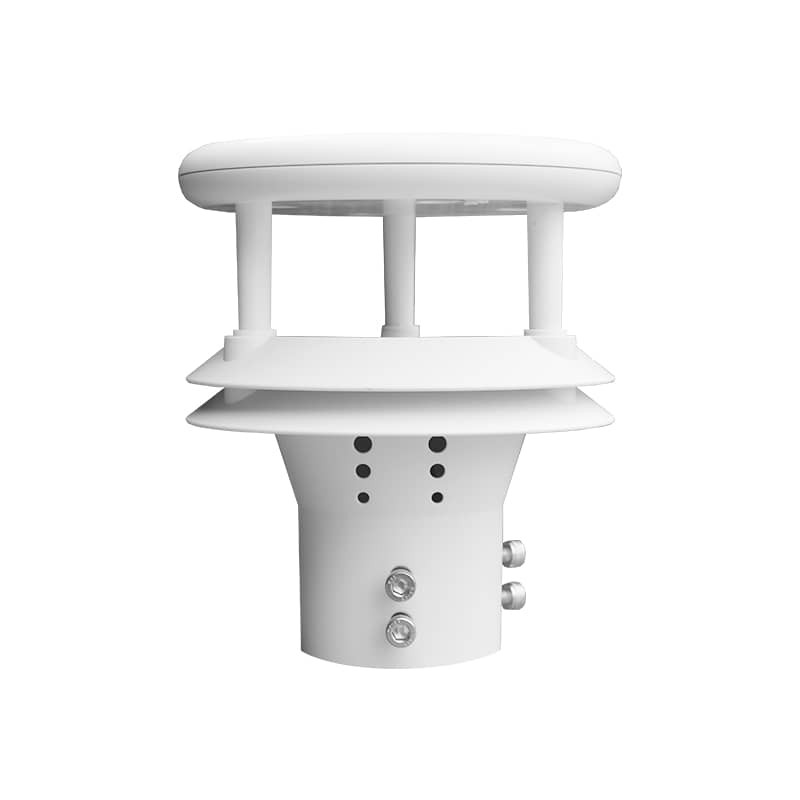
In the field of snow depth measurement, the Ultrasonic Snow Depth Detector and the Laser Snow Depth Monitor are two common devices. So, how should consumers make a choice?The Ultrasonic Snow Depth Detector operates in a way similar to echolocation. It emits ultrasonic waves towards the snow surface....
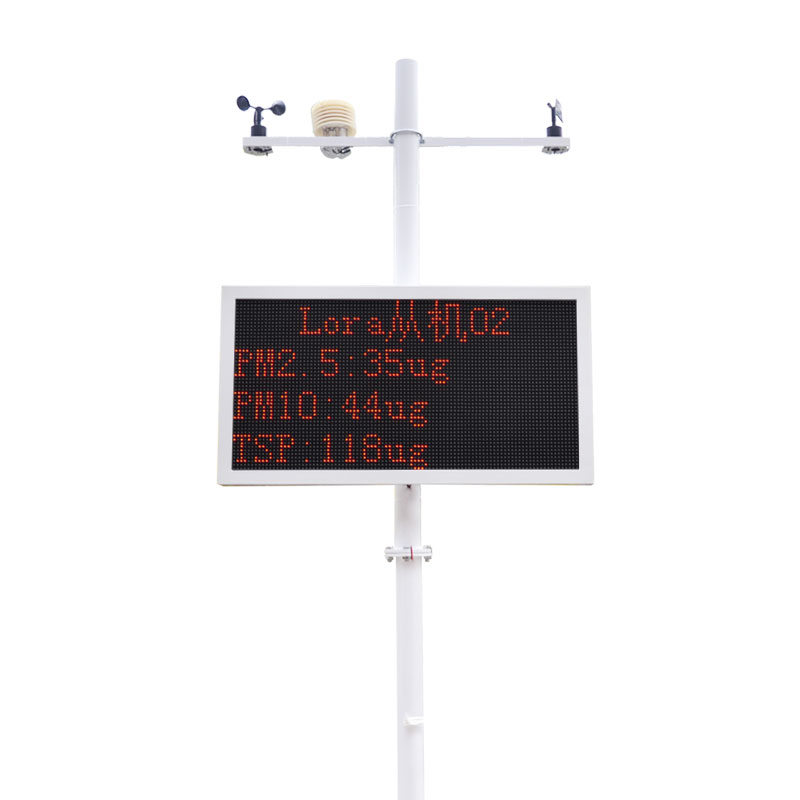
IOT weather station equipment manufacturers recommended, wind way technology is a collection of R & D design, manufacturing and sales in one of the high-tech enterprises, the company was founded since always adhering to the "customer first" business philosophy, adhere to the integrity...
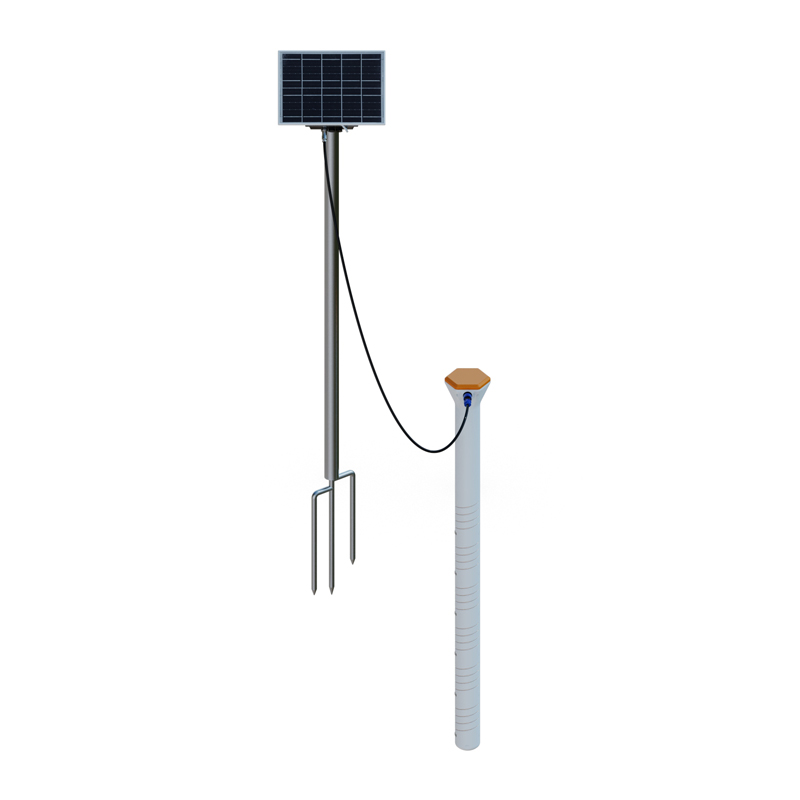
Among the four conditions of agriculture (moisture, seedling, disease and disaster), moisture is a crucial aspect. Good moisture condition can provide necessary water support for crop growth and development, and promote crop growth and yield increase. Therefore, moisture has a very important positio...
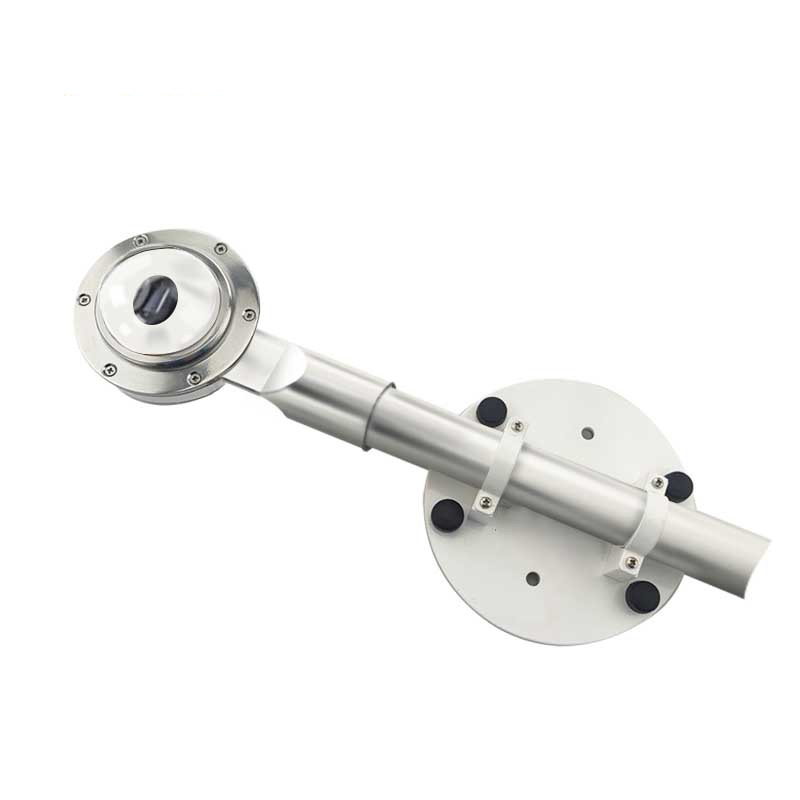
IV curve testing is a commonly used method for detecting the performance of photovoltaic power generation systems. The Portable IV Curve Tester can conduct on - site tests on the power, open - circuit voltage, short - circuit current of photovoltaic modules under different temperature and irradiance...


 Skype
Skype
 whatsapp
 mail
mail