Shandong Fengtu IOT Technology Co., Ltd
Sales Manager:Ms. Emily Wang
Cel,Whatsapp,Wechat:+86 15898932201
Email:info@fengtutec.com
Add:No. 155 Optoelectronic Industry Accelerator, Gaoxin District, Weifang, Shandong, China


Sales Manager:Ms. Emily Wang
Cel,Whatsapp,Wechat:+86 15898932201
Email:info@fengtutec.com
Add:No. 155 Optoelectronic Industry Accelerator, Gaoxin District, Weifang, Shandong, China
time:2025-11-26 09:24:42 source:Weather Station viewed:432 time
Smart street light monitoring sensor is a dedicated meteorological and environmental monitoring device for smart streetlights, representing a new generation of infrastructure for smart city construction. It is used to monitor air quality and environmental pollution levels, detecting parameters such as air temperature, humidity, light intensity, PM2.5, PM10, and noise, and displaying real-time environmental data.
Smart street light monitoring sensor is a professional environmental monitoring device integrated into the smart streetlight system. As a crucial component of smart city infrastructure, it leverages the widespread distribution of streetlights to build a high-density environmental monitoring network. This sensor is specifically designed to assess air quality and environmental pollution levels in real-time, covering multiple key indicators including air temperature, air humidity, light intensity, PM2.5, PM10, and noise levels.
In terms of technical implementation, the sensor integrates various precision detection components. Temperature and humidity detection typically employs a digital temperature and humidity sensing unit, accurately perceiving the physical state of the surrounding atmosphere. Particulate matter monitoring uses the laser scattering principle, precisely calculating the mass concentration of PM2.5 and PM10 by measuring the scattering intensity of suspended particles in the air. Noise monitoring utilizes a high-sensitivity microphone coupled with digital signal processing technology to continuously collect ambient noise decibel values. Light intensity monitoring relies on a photoelectric sensor to perceive changes in the intensity of natural and artificial lighting.
These sensors upload the collected data to a central management platform via wired or wireless communication. The transmission protocol typically uses standard IoT communication protocols to ensure stable and reliable data transmission. In the data processing stage, the platform calibrates, filters, and standardizes the received raw data to eliminate data deviations caused by environmental interference or equipment errors. The processed environmental parameters are presented through a visualization interface, providing city managers with an intuitive display of the surrounding environmental conditions.
The deployment locations of Smart street light monitoring sensor are scientifically planned, usually selected in representative locations such as transportation hubs, commercial areas, residential areas, and industrial zones. This layout allows the monitoring network to comprehensively cover different functional areas of the city, obtaining spatially representative environmental data. Since the sensors are directly installed on streetlight poles, utilizing existing urban infrastructure, the cost of setting up separate monitoring stations is significantly reduced.
The practical application value of this sensor is significant. Environmental management departments can use the real-time data it provides to promptly understand the air quality and noise pollution status in various areas of the city. When pollutant concentrations in a certain area exceed the safety threshold, the system automatically generates a warning message, prompting management departments to take appropriate measures. Furthermore, the environmental database formed through long-term monitoring can be used to analyze the spatiotemporal distribution patterns of urban environmental pollution, providing a scientific basis for urban planning decisions and pollution control. Citizens can also access real-time environmental information for their area through a public data interface, allowing them to plan outdoor activities accordingly.
Smart street light monitoring sensor represents a new direction in environmental monitoring technology, transforming traditional single-function streetlights into multi-functional intelligent nodes. This integrated design not only saves urban space resources but also significantly improves the spatiotemporal resolution of environmental monitoring. As the construction of smart cities progresses, these sensors will play an increasingly important role in urban environmental management.
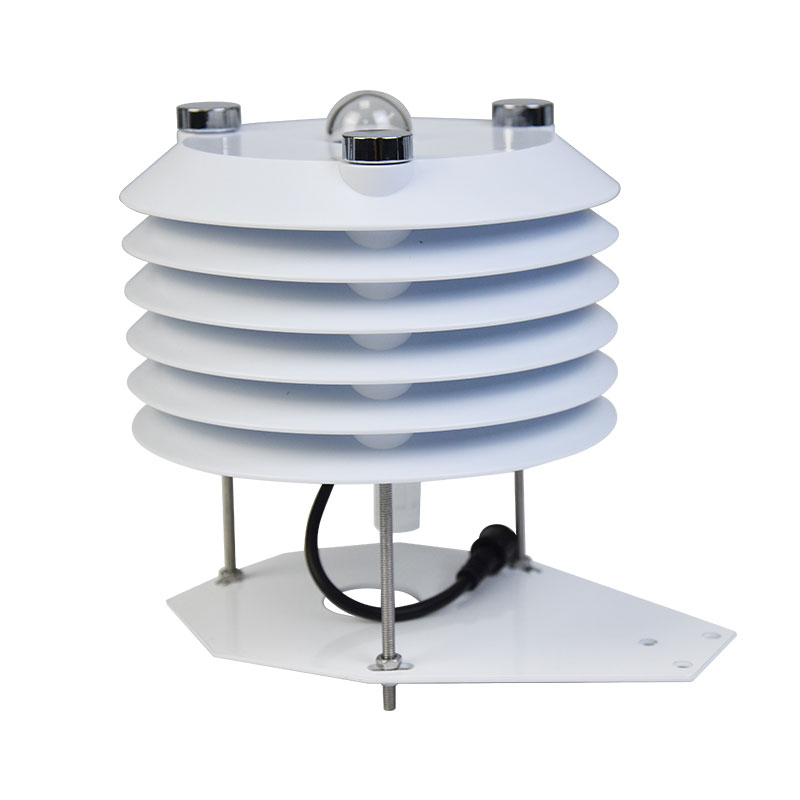
The Atmospheric environment monitoring system is crucial for understanding air quality conditions and addressing environmental pollution issues. Among them, the monitoring of four gases and two dusts is one of the core tasks, precisely monitoring the dynamic changes of key pollutants in the air.Moni...
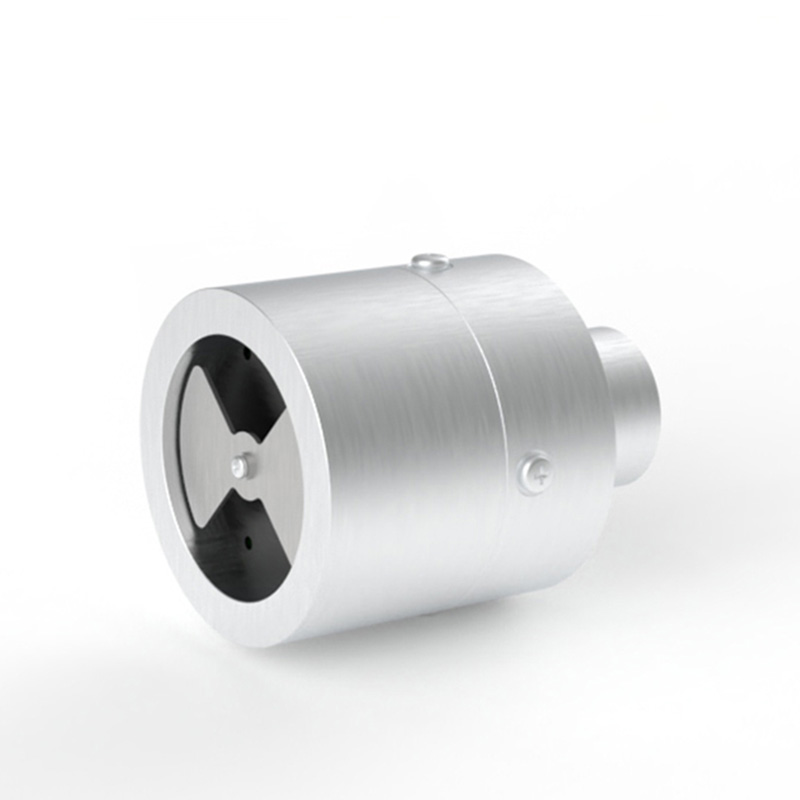
FT-S3 is a Water PH Sensor suitable for industrial use. Why is that? In terms of measurement principle, FT-S3 utilizes the electrochemical (salt bridge) principle. Its core components include a glass electrode highly sensitive to hydrogen ions (H⁺) and a reference electrode composed of an Ag/AgCl e...
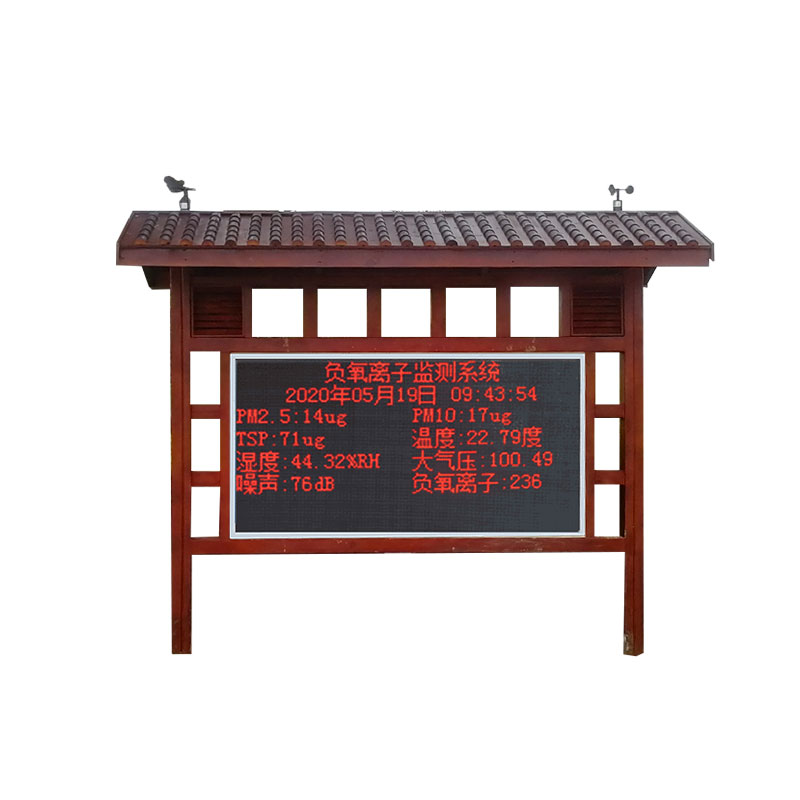
Agricultural automatic weather station, is an automatic weather observation instrument. It can record and display exactly the various weather phenomena and their changing patterns that occur during the growth of crops, providing a scientific basis for agricultural weather services. It is mainly used...
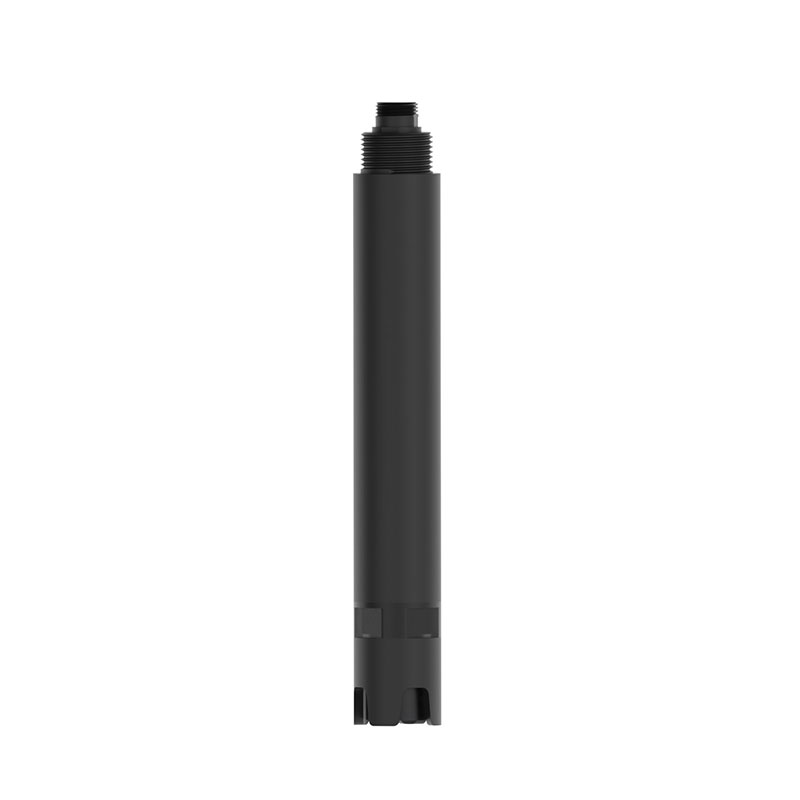
Water Flow Meter is a general-purpose instrument used in hydrological testing to measure the time-averaged flow velocity at cross-sections of rivers, lakes, reservoirs, and canals. It has a velocity measurement range of 0.04 to 10.00 meters per second, a measurement error of no more than 1.5%,...


 Skype
Skype
 whatsapp
 mail
mail