Shandong Fengtu IOT Technology Co., Ltd
Sales Manager:Ms. Emily Wang
Cel,Whatsapp,Wechat:+86 15898932201
Email:info@fengtutec.com
Add:No. 155 Optoelectronic Industry Accelerator, Gaoxin District, Weifang, Shandong, China


Sales Manager:Ms. Emily Wang
Cel,Whatsapp,Wechat:+86 15898932201
Email:info@fengtutec.com
Add:No. 155 Optoelectronic Industry Accelerator, Gaoxin District, Weifang, Shandong, China
time:2026-10-26 10:06:48 source:Weather Station viewed:1 time
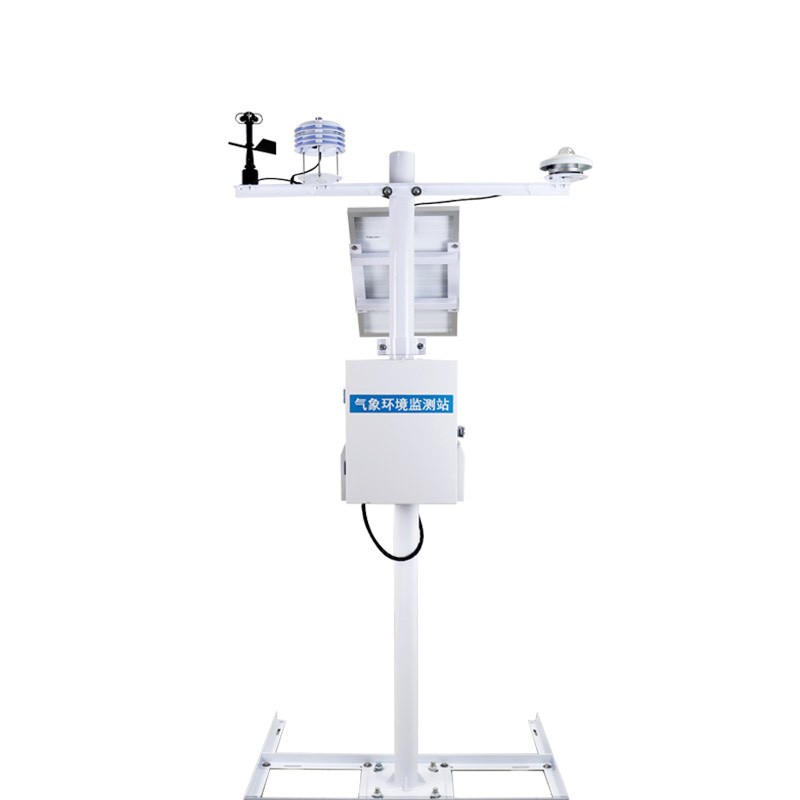
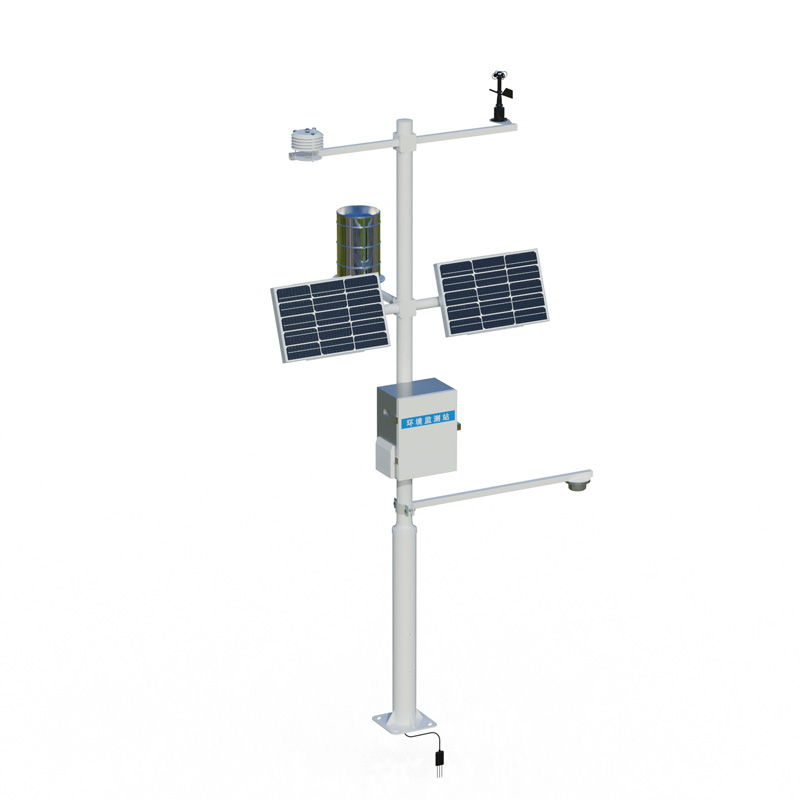
Photovoltaic (PV) weather stations are specialized meteorological instruments designed for the solar energy sector. They monitor parameters such as wind speed and direction, temperature and humidity, atmospheric pressure, total solar irradiance (global horizontal irradiance), sunshine duration, and PV module temperature. By integrating this data into monitoring or inverter systems, these stations help ensure the stable power generation of distributed PV plants.
Distributed PV systems primarily serve on-site consumption, with any surplus electricity fed into the distribution grid. Since power generation is highly sensitive to local weather conditions, the environmental monitoring systems integrated with PV weather stations continuously collect data on both meteorological factors and module operating parameters. These devices can simultaneously record average wind speeds, as well as daily and cumulative total solar irradiance, providing a comprehensive picture of the environmental and light conditions at the site—thereby serving as a foundational data source for performance analysis.
Data collected by PV weather stations can be integrated in two ways. First, it can be uploaded to an independent monitoring system for real-time display, storage, and statistical analysis. This allows operations and maintenance (O&M) personnel to diagnose fluctuations in power output, distinguishing between changes caused by weather and those resulting from equipment malfunctions. Alternatively, the data can be fed into an inverter control system, which uses the environmental information to adjust the operating status of the equipment, thereby mitigating the impact of adverse conditions on the power generation units.
ing long-term records of irradiance, temperature, and wind speed, O&M teams can refine their maintenance strategies, anticipate risks posed by extreme weather, reduce equipment wear and tear, and ensure the long-term, stable, and efficient operation of distributed PV power plants.
temperature and humidity monitoring Monitor the relative humidity and temperature of indoor or outdoor air to provide accurate data for various applications....
what does a rain gauge measure Collect the water that falls on it and record the change in rainfall over time, usually expressed in millimeters, providing a usable rainfall measure....
The quality of water resources is directly related to human survival and ecological balance. Fengtu's online water quality detection equipment is fully functional. For example, the online pH tester (FT-ZS3) can quickly and accurately record the pH value of water bodies. It also supports the expa...
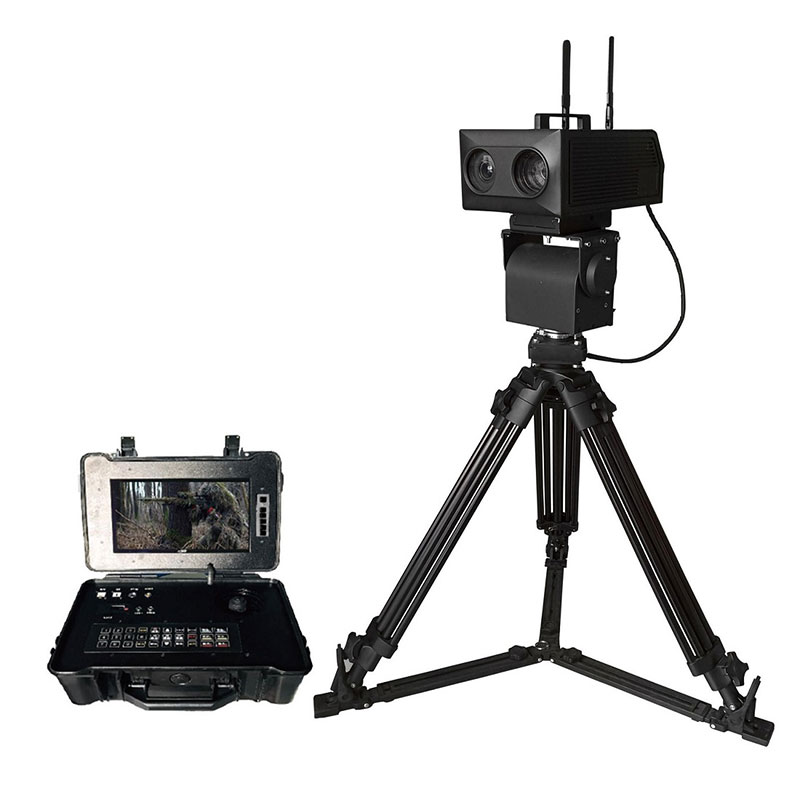
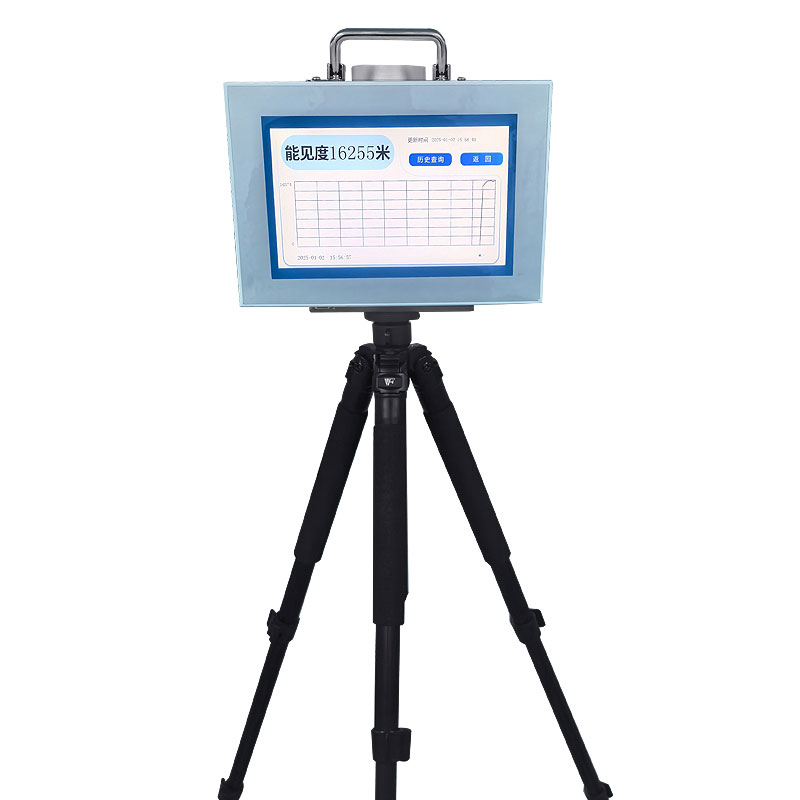
A UAV-specific visibility meter is a device specifically designed to measure and monitor visibility in the atmosphere, with the aim of providing accurate visibility information to assist UAV operators in flight decision-making and flight safety management. Visibility is the distance at which the hum...


 Skype
 whatsapp
 mail