Shandong Fengtu IOT Technology Co., Ltd
Sales Manager:Ms. Emily Wang
Cel,Whatsapp,Wechat:+86 15898932201
Email:info@fengtutec.com
Add:No. 155 Optoelectronic Industry Accelerator, Gaoxin District, Weifang, Shandong, China


Sales Manager:Ms. Emily Wang
Cel,Whatsapp,Wechat:+86 15898932201
Email:info@fengtutec.com
Add:No. 155 Optoelectronic Industry Accelerator, Gaoxin District, Weifang, Shandong, China
time:2023-11-02 17:26:28 source:Weather Station viewed:1016 time
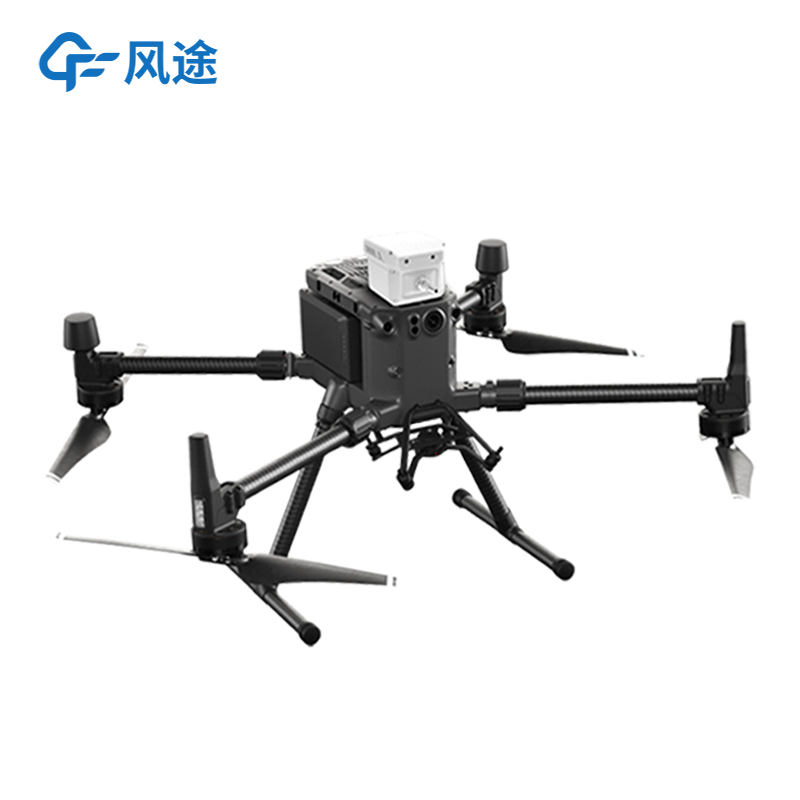
A UAV-specific visibility meter is a device specifically designed to measure and monitor visibility in the atmosphere, with the aim of providing accurate visibility information to assist UAV operators in flight decision-making and flight safety management. Visibility is the distance at which the human eye can clearly see and recognize objects in the atmosphere. In UAV flight, it is important to know the visibility of the flight environment to ensure the safety and effectiveness of the flight.
UAV-specific visibility meters typically use a variety of technical means to measure visibility, with common methods including light scattering, photoelectric sensing, and meteorological sensing. Here are some key features and functions about UAV-specific visibility meters:
1. Multi-parameter Measurement: UAV-specific visibility meters can measure different parameters such as visibility. These parameters provide a comprehensive understanding of the atmospheric conditions, which is essential for UAV flight decisions.
2. Real-time monitoring: visibility meters can monitor and update visibility data in real-time, enabling UAV operators to access the latest weather information in a timely manner. This helps avoid flying in low visibility conditions and reduces the risk of accidents.
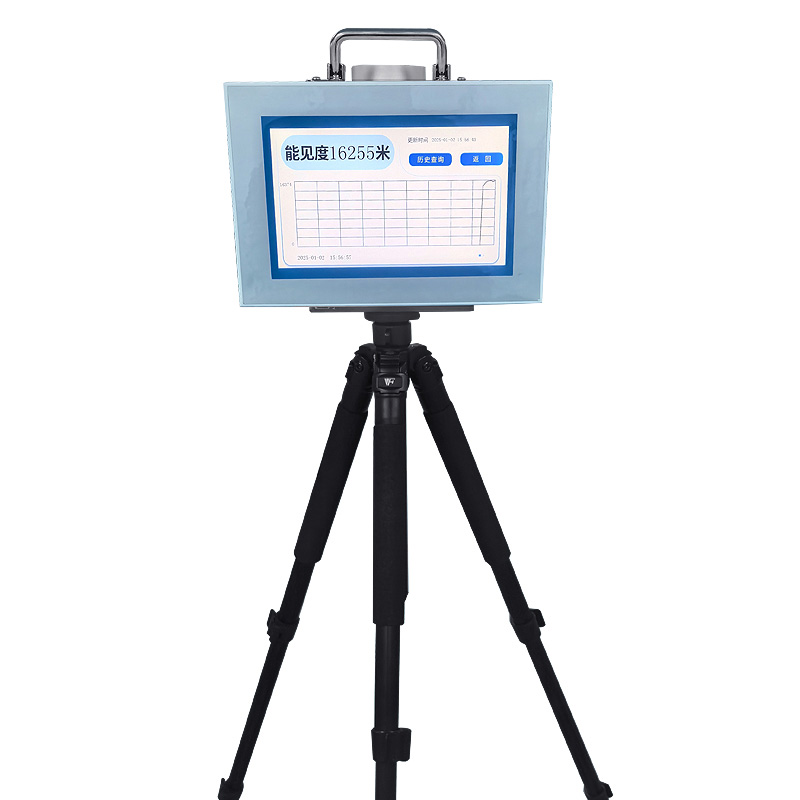
3. Data display and recording: UAV-specific visibility meters are often equipped with data displays or panels that allow UAV operators to visualize the current visibility conditions. In addition, some visibility meters also have a data logging function that can store historical data for subsequent analysis and evaluation.
4. Remote Communication and Integration: Some UAV-specific visibility meters can transmit data via wireless communication technology to a ground operating station or be integrated with a UAS. This allows flight operators and flight control centers to monitor and analyze visibility information in real time to make immediate adjustments and decisions for the mission.
5. Automation: Some advanced visibility instruments are equipped with automation features that can send out warning signals or alerts based on visibility data so that UAV operators can make flight path adjustments or emergency landings.
6. Portability and adaptability: UAV-specific visibility instruments are often lightweight and compact in design, and are easy to install and carry. This allows UAV operators to use them in a variety of locations and weather conditions, and supports a wide range of UAV applications.
UAV-specific visibility meters are critical to ensuring the safety and effectiveness of UAV flights. Visibility information provides flight operators with a real-time understanding of the flight environment and helps them make informed flight decisions. This not only reduces the risk of UAV accidents and collisions, but also increases flight efficiency and mission success. Therefore, UAV-specific visibility meters have significant application value in the UAV industry and provide critical technical support for UAV flight safety.
ambient weather lightning detector detects lightning within 15KM of your location and accurately detects lightning strikes....
FT-IV2 I-V Curve Tracer is a high-precision testing equipment based on current-voltage (IV) characteristic analysis, used for performance evaluation of electronic components such as photovoltaic modules and semiconductor devices.Working PrincipleThe working principle of FT-IV2 is based on the photoe...
Measuring wind direction is important for predicting the weather, guiding aviation and marine navigation, tracking environmental pollution, planning agricultural activities, optimising sporting events and harnessing wind power for electricity generation. Understanding wind direction helps us to bett...
What is dissolved oxygen?Dissolved oxygen refers to molecular oxygen dissolved in water. There are two sources of dissolved oxygen in water. One is the oxygen dissolved in water under the equilibrium state between the water body and the atmosphere, and the other is the oxygen formed by chemical and...


 Skype
Skype
 whatsapp
 mail
mail