Shandong Fengtu IOT Technology Co., Ltd
Sales Manager:Ms. Emily Wang
Cel,Whatsapp,Wechat:+86 15898932201
Email:info@fengtutec.com
Add:No. 155 Optoelectronic Industry Accelerator, Gaoxin District, Weifang, Shandong, China


Sales Manager:Ms. Emily Wang
Cel,Whatsapp,Wechat:+86 15898932201
Email:info@fengtutec.com
Add:No. 155 Optoelectronic Industry Accelerator, Gaoxin District, Weifang, Shandong, China
time:2024-04-07 08:42:33 source:Weather Station viewed:962 time
Field water holding capacity is a central indicator for evaluating soil moisture and drought conditions. According to national and water industry standards, soil moisture is the key to determining drought conditions. With the development of automation technology, the number of automatic moisture monitoring stations is increasing, and the measurement of field water holding capacity becomes more important and frequent.
There are two main methods for determining field water holding capacity: field measurements and laboratory tests. Field measurement methods include the use of natural rainfall or artificial flooding, while laboratory testing methods include the use of techniques such as sandboxes, Wilcox devices and pressure moulds.
The fence flooding method is the traditional way of measuring water holding capacity in the field, but this method is inefficient and costly. To improve on these shortcomings, instrumental measurements, such as soil moisture monitoring equipment, have emerged. This method is more accurate and reduces human error. It is easy to operate, saves time and labour and is low cost.
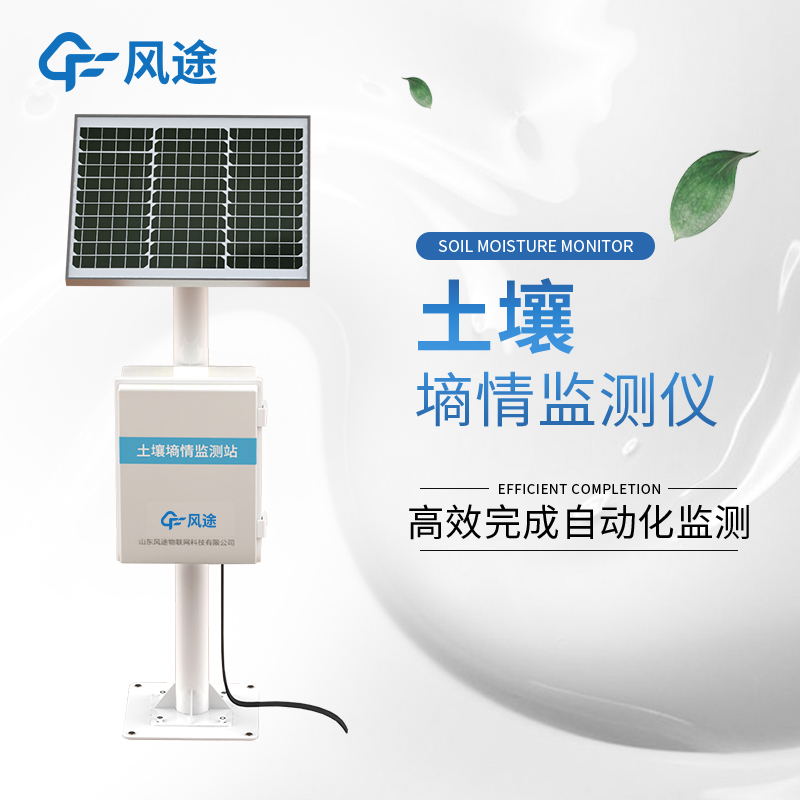
A soil moisture monitoring station is an automated system that collects, stores, sends and manages temperature and moisture data from the soil. It includes multiple data acquisition channels, soil moisture and temperature sensors, and other meteorological sensors with a management software platform.
The system is able to monitor soil conditions in real time and provide users with soil moisture data. Through these data, users can understand the soil moisture and temperature changes, and then carry out scientific management of farmland irrigation and crop cultivation. The high efficiency and accuracy of the soil moisture monitoring station greatly improves the quality and efficiency of agricultural production, and also helps to conserve water resources and achieve sustainable agricultural development.
Windway Technology is a manufacturer of river flow monitoring systems and has rich practical experience in this field. Currently, we are mainly engaged in the design, development and sales of river flow monitoring systems, and are committed to providing professional solutions to our customers, and a...
Soil moisture monitoring and forecasting is particularly important in the current context of water stress, as it helps to conserve water, improve water use efficiency, and rationalize the use of water resources.Soil moisture monitoring and forecasting allows people to grasp the soil moisture status...
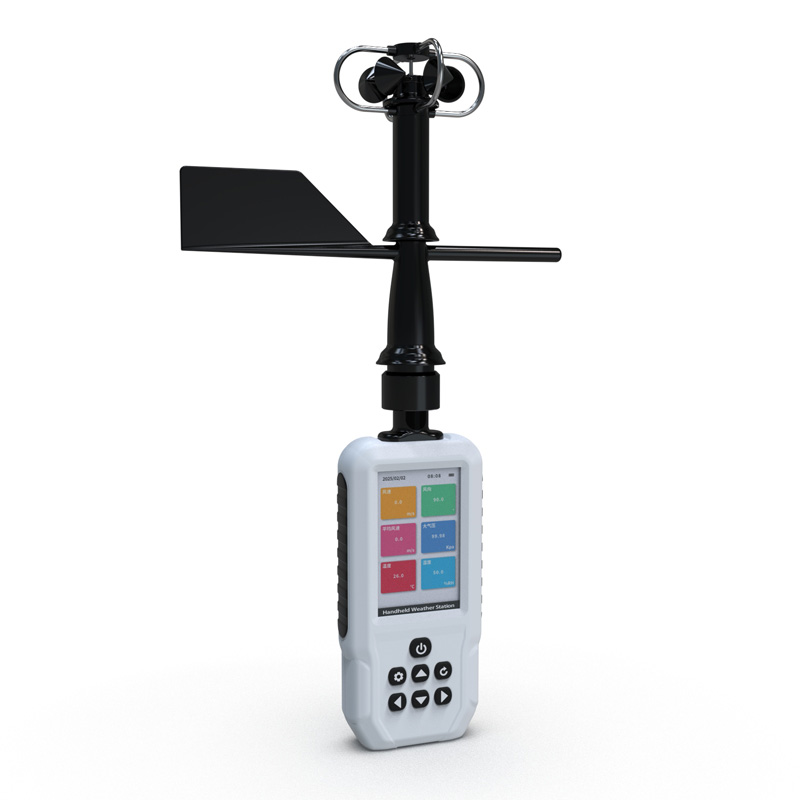
The principle of the meteorological environment monitor is to obtain various physical parameters in the atmosphere (including temperature, humidity and wind) by sensor detection, and then analyze and calculate the external conditions based on the obtained data for monitoring purposes. It works by au...
gas sensors are devices that detect the presence of various gases, detect a particular gas and measure whether that gas is present near the sensor or its amount in the air....


 Skype
Skype
 whatsapp
 mail
mail