Shandong Fengtu IOT Technology Co., Ltd
Sales Manager:Ms. Emily Wang
Cel,Whatsapp,Wechat:+86 15898932201
Email:info@fengtutec.com
Add:No. 155 Optoelectronic Industry Accelerator, Gaoxin District, Weifang, Shandong, China


Sales Manager:Ms. Emily Wang
Cel,Whatsapp,Wechat:+86 15898932201
Email:info@fengtutec.com
Add:No. 155 Optoelectronic Industry Accelerator, Gaoxin District, Weifang, Shandong, China
time:2026-04-29 09:15:20 source:Weather Station viewed:234 time
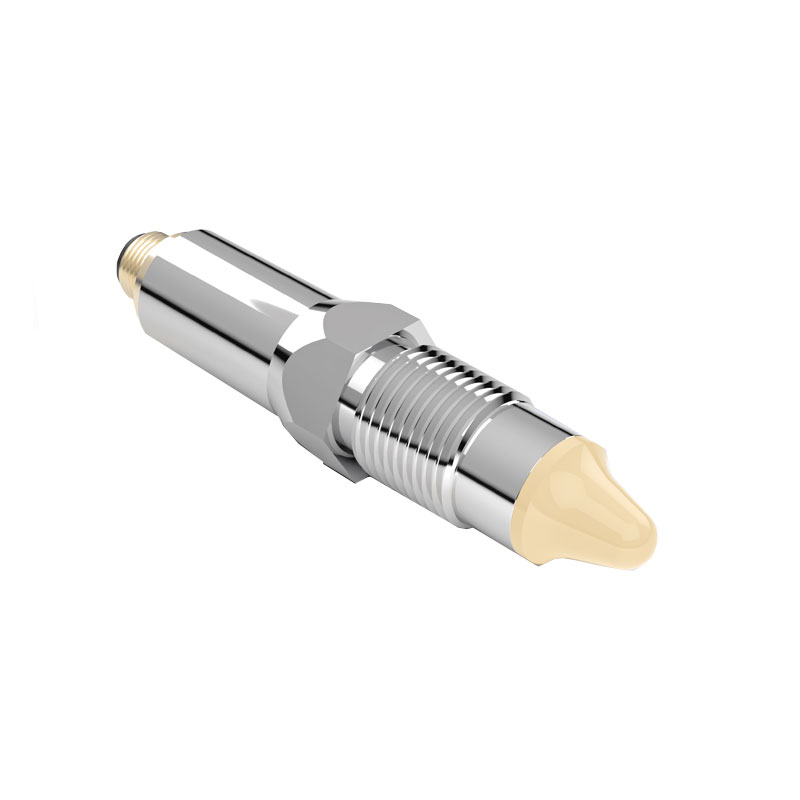
Microwave Level Switch is a non-contact automated control device. It detects material levels by utilizing a paired transmitter and receiver to exchange microwave signals; it remains unaffected by material buildup, condensation, or foam, making it suitable for monitoring the levels of various media—including bulk solids, powders, and liquids.
In the silo management operations of industries such as chemicals, cement, and food processing, traditional mechanical level switches frequently encounter issues such as material buildup, corrosion, and mechanical jamming. Microwave Level Switch offers a distinct alternative solution. Based on the principles of microwave signal propagation, this device functions as a non-contact automated control unit. It consists of three electrically isolated components: a transmitter, a receiver, and an amplifier. The transmitter emits a high-frequency microwave beam toward the receiver—typically operating within frequency bands such as 10.525 GHz and 24 GHz—at a rate of approximately 200 pulses per second. When no material obstructs the path between the transmitter and the receiver, the receiver reliably detects the microwave signal; however, when material within the silo accumulates to a certain height—thereby absorbing or reflecting the microwave beam—the receiver fails to detect the signal. Consequently, the system triggers a relay action to output a switching signal, thereby enabling the detection and control of the material level status. The entire measurement process requires no physical contact between any device components and the material itself, thereby eliminating the issues of false alarms or operational failures often associated with material buildup in traditional mechanical switches.
Microwave Level Switch boasts an exceptionally wide range of applicability. Whether the medium being measured consists of bulk solids or powders, low-viscosity liquids or high-viscosity slurries—or even media containing foam—this device operates reliably. Microwaves possess inherent penetrating capabilities, allowing them to pass through glass, ceramics, plastics, and surface contaminants without being affected by material buildup or condensation. This makes Microwave Level Switch particularly well-suited for demanding operating environments, such as those involving high temperatures and dust, heavy-duty bulk material conveyor lines, or high-pressure sealed systems. For high-temperature applications, select models are capable of withstanding temperatures reaching up to 1100°C. Furthermore, the device is typically equipped with an adjustable time-delay mechanism (ranging from 0 to 10 seconds) as well as coarse and fine sensitivity adjustment functions. This allows users to configure specific parameters tailored to the characteristics of the material and the prevailing site conditions, thereby minimizing false triggers caused by material splashing or momentary fluctuations.
During installation, the transmitter and receiver units must be mounted directly opposite one another to ensure precise alignment of the microwave beam. The device supports both flange and threaded connection methods, offering flexible adaptability to silos and pipelines of various specifications. It provides both normally open (NO) and normally closed (NC) relay outputs, facilitating seamless integration with PLC control systems or on-site alarm devices. In applications such as chute blockage detection, conveyor belt object detection, and high/low material level monitoring, the Microwave Level Switch consistently delivers stable and reliable signal outputs, enabling users to promptly detect material accumulation or interruptions in material flow. When selecting the appropriate Microwave Level Switch model, users should base their choice of specific model and mounting method on site-specific factors, including maximum operating temperature, the dielectric constant of the material, and available installation space.
Continued technological advances and growing market demand have driven the iterative updating of soil moisture monitoring technologies. The drying method, which was initially used to assess soil moisture by weighing, has since evolved to the electrical resistance method, which is based on the relati...
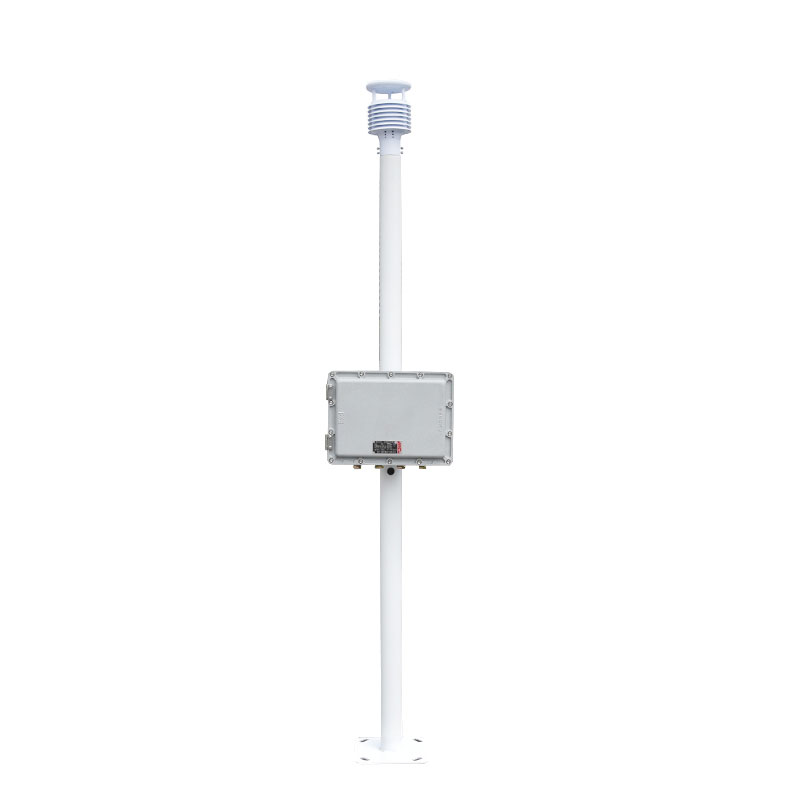
environmental sensor can monitor the environment of negative oxygen ions, pm2.5, pm10, temperature, humidity, air pressure, oxygen content, noise, wind speed, wind direction and other parameters....
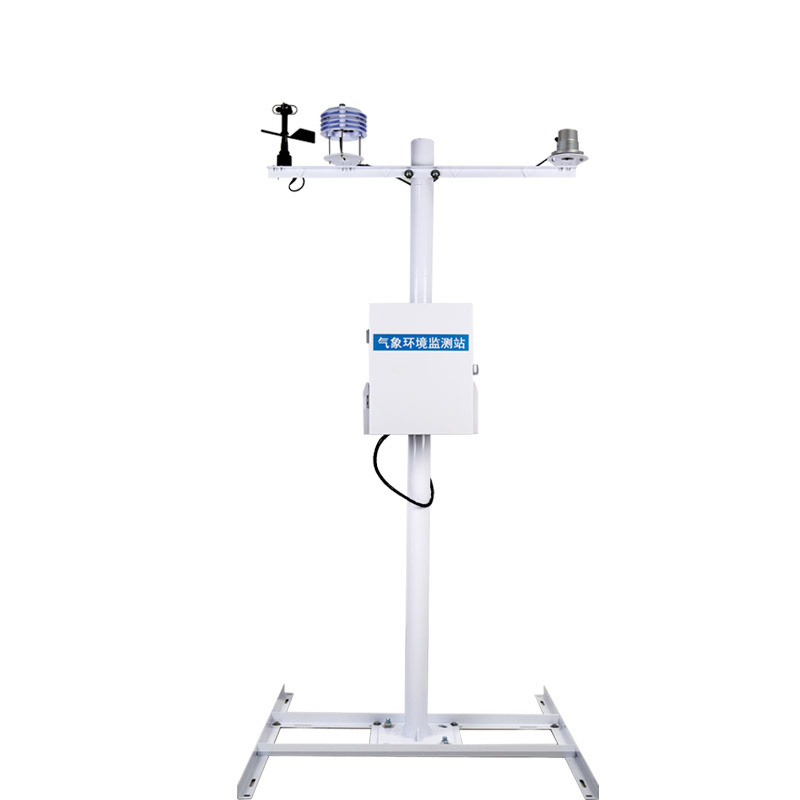
The establishment and use of automatic weather station, Windway Technology automatic weather station is a multi-factor weather station, which can operate normally all day long under unattended and harsh environment. It consists of two major parts: data collection system and communication network, wh...
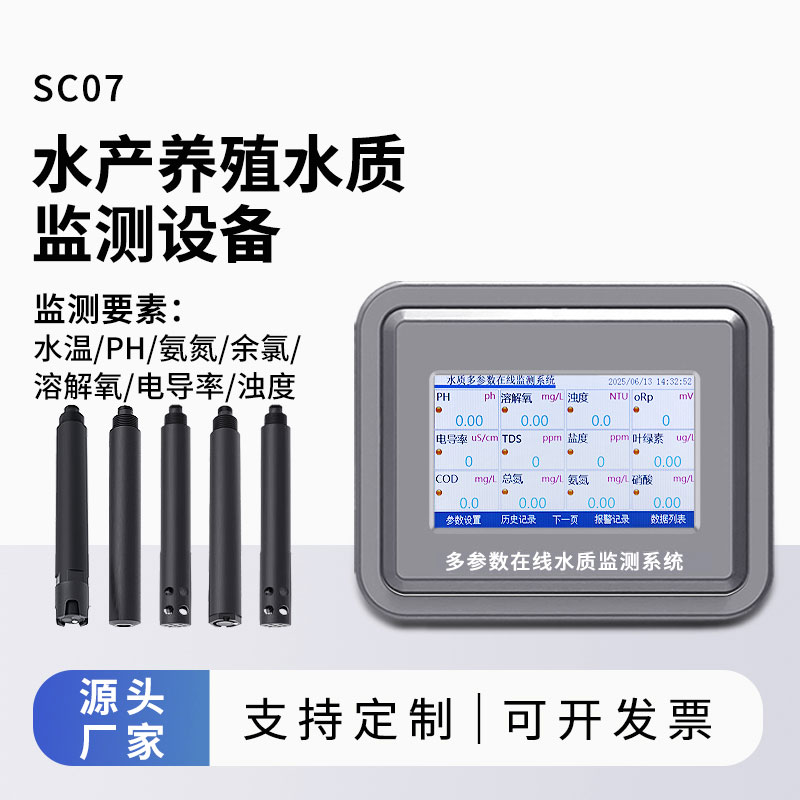
Residual chlorine, pH value and temperature are important indicators for measuring water quality. The residual chlorine content reflects the disinfection effect of water body. If it is too low, it cannot effectively kill bacteria, and if it is too high, it may be harmful to human health. The pH valu...


 Skype
Skype
 whatsapp
 mail
mail