Shandong Fengtu IOT Technology Co., Ltd
Sales Manager:Ms. Emily Wang
Cel,Whatsapp,Wechat:+86 15898932201
Email:info@fengtutec.com
Add:No. 155 Optoelectronic Industry Accelerator, Gaoxin District, Weifang, Shandong, China


Sales Manager:Ms. Emily Wang
Cel,Whatsapp,Wechat:+86 15898932201
Email:info@fengtutec.com
Add:No. 155 Optoelectronic Industry Accelerator, Gaoxin District, Weifang, Shandong, China
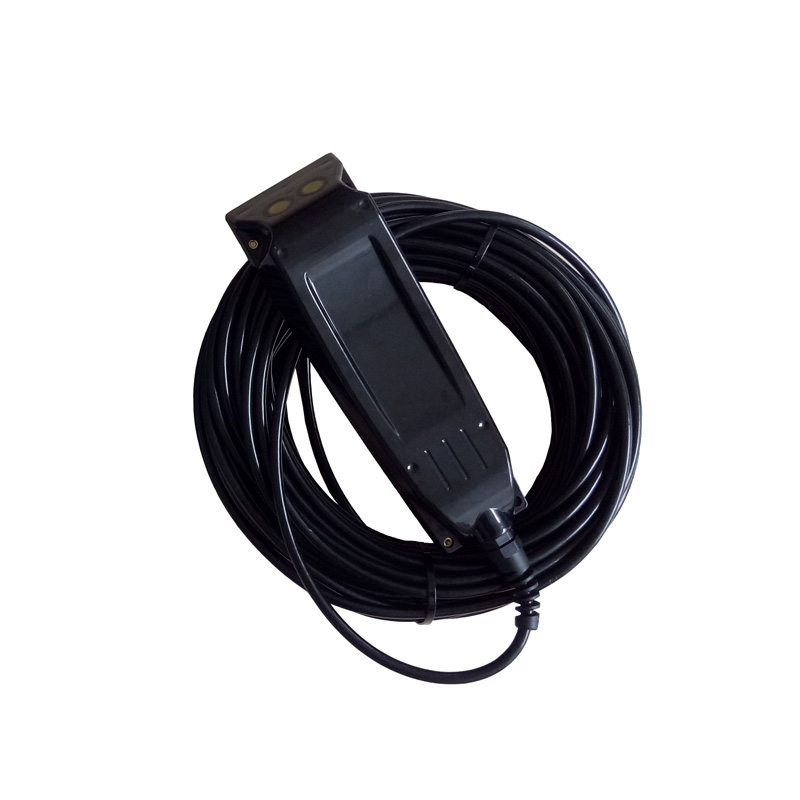
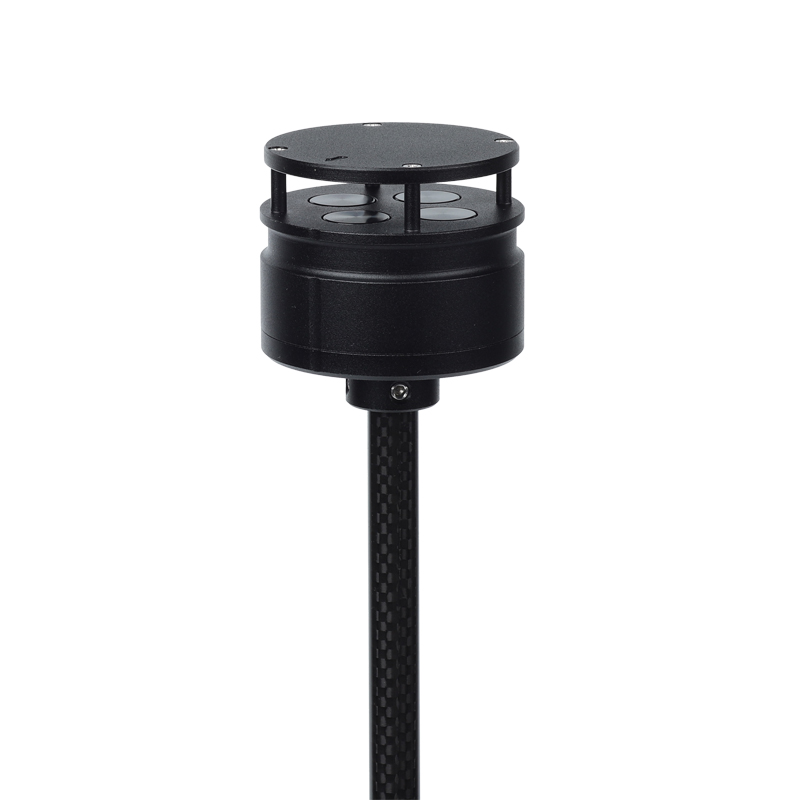
Model:FT-L1S2
Brand:fengtu
1.Ultrasonic Flow Meter Product Principle:
Ultrasonic Flow Meter is used to measure water flow velocity by using the physical principle of Doppler frequency shift, which is used for on-line flow measurement in rivers or open channels.In the field of acoustics, when there is relative motion between the sound source and the receiver (i.e. the probe and the reflector), the frequency of the echo will change. This change in frequency is called frequency shift, or the Doppler effect. The frequency of the sound wave becomes higher when it moves toward the observer and lower when it moves away from the observer. The Doppler flowmeter calculates the flow velocity by calculating the frequency change.
2. Ultrasonic Flow Meter Technical Parameters
1. Power supply: DC10-15V
2. Working current: about 10mA in standby mode, 60mA in measurement
3. Sound wave frequency: 2MHZ
4. Blind area: 10 cm
5. Flow rate range: 0.02-10 m/s
6. Water depth range: 0.02-5 meters
7. Temperature: 0-50°
8. Measurement cycle: 20 seconds
9.Sensor material: ABS, stainless steel
10. Output interface: RS485
11. Working water depth: 0.2m-5m
3. Ultrasonic Flow Meter Installation Instructions:
Normal installation ensures that it is 20CM below the lowest water level to avoid exposure to water.
Sensor installation instructions:
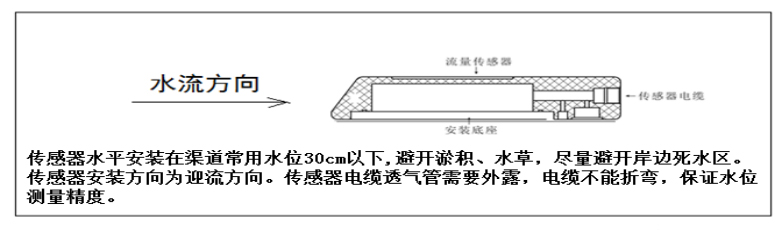
4. Ultrasonic Flow Meter Notes
1. The sensor needs to be kept away from silt, stones and other objects. A grille needs to be installed in places with a lot of aquatic plants to prevent entanglement.
2.Sensor installation direction: the sensor emitting surface needs to be installed in the flow direction.
3. The sensor has an acoustic blind spot, so try to keep the sensor below 20 cm underwater (false data may occur if the sensor is half-exposed underwater or blocked by mud, but the probability is very low. Usually, large numbers such as more than 2 m/s will appear in the data. It is recommended that the secondary developer of the sensor can shield large flow rates by the water level, or in actual application scenarios, the water flow rate is not that large and the flow rate greater than 2 m can be directly shielded).
4. The cable vent pipe is easily damaged, which will affect the water level measurement.
5. Try to do a good job of lightning protection for signals and power supplies.
6. If the sensor cable is extended, a 485 relay is required and the power supply should avoid interference from the inverter.
What does rain gauge Do is a meteorological instrument used to measure the amount of precipitation in a specific area over a specific time period, specifically rainfall....
Most of the modern meteorological monitoring stations are developing in the direction of all-day unattended operation. The establishment of automatic meteorological monitoring stations is in urgent need of more accurate and maintenance-free automatic monitoring instruments, including wind anemometer...
Windway introduces the 10-in-1 Micro Weather Meter, a solution to the challenges of environmental monitoring. This device is capable of comprehensively monitoring key environmental indicators such as temperature, humidity, barometric pressure, wind speed, wind direction, illuminance, rainfall, noise...
Telemetry terminal is an industrial-grade communication terminal that integrates data acquisition, wireless transmission, and device control functions. It is designed for hydrological monitoring, flood control and early warning, and water resource management. Through real-time data acquisition, processing, and remote transmission, it supports remote telemetry and monitoring applications in various industries, including water conservancy, meteorology, and agriculture....


 Get a Free Quote
 Skype
Skype
 whatsapp
 mail
mail