Shandong Fengtu IOT Technology Co., Ltd
Sales Manager:Ms. Emily Wang
Cel,Whatsapp,Wechat:+86 15898932201
Email:info@fengtutec.com
Add:No. 155 Optoelectronic Industry Accelerator, Gaoxin District, Weifang, Shandong, China


Sales Manager:Ms. Emily Wang
Cel,Whatsapp,Wechat:+86 15898932201
Email:info@fengtutec.com
Add:No. 155 Optoelectronic Industry Accelerator, Gaoxin District, Weifang, Shandong, China
time:2026-10-28 09:25:20 source:Weather Station viewed:1 time
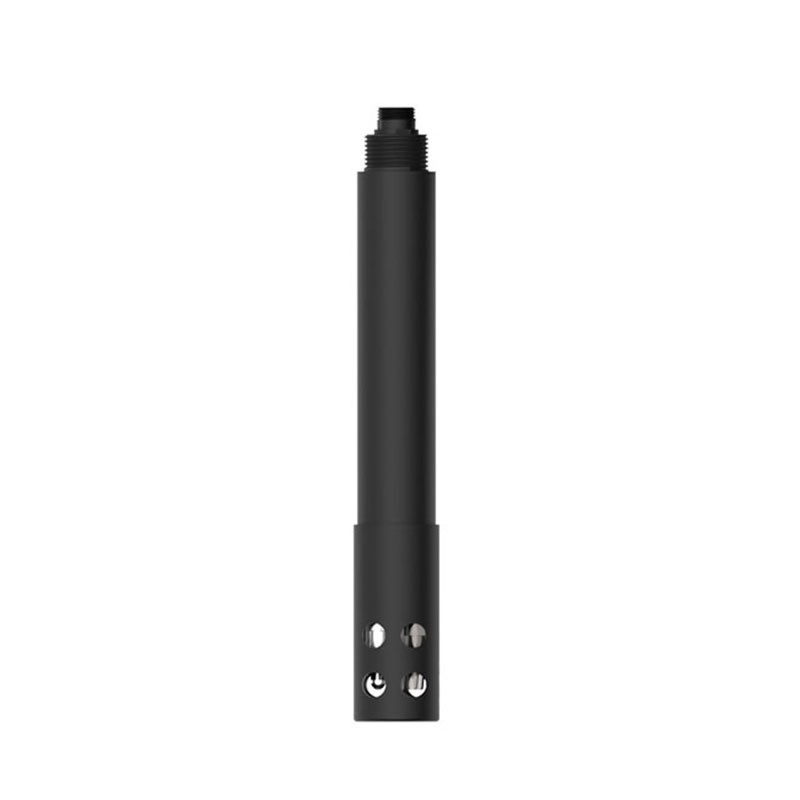
Residual Chlorine Sensor Equipped with a pH detection unit, this system covers a measurement range of 0–5 mg/L for residual chlorine and 0–14 for pH. It supports RS485 Modbus-RTU communication, making it ideal for continuous water quality data collection in applications such as water treatment plants and swimming pool circulation systems.
Residual Chlorine Sensor This device provides rapid and precise measurement of residual chlorine concentration in aqueous solutions, with integrated simultaneous pH monitoring. It features a residual chlorine measurement range of 0–5.00 mg/L (with a resolution of 0.01 mg/L and an accuracy of 5% of the reading) and a pH measurement range of 0–14 (with a resolution of 0.01 pH). Temperature measurement accuracy is ±0.3°C. Housed in an ABS enclosure, the device utilizes an RS485 interface and adheres to the Modbus-RTU protocol, ensuring stable output of standardized monitoring data for seamless integration into automated control systems and data acquisition platforms.
Residual Chlorine Sensor It is widely used in drinking water treatment plants, bottling facilities, water supply networks, swimming pools, cooling water circulation systems, and various water treatment projects for continuous online monitoring of residual chlorine. Unlike traditional manual sampling—which often suffers from long intervals and data lag—this integrated sensor enables 24/7 continuous data collection. It simultaneously captures pH and temperature data, which are used for compensation to minimize measurement deviations caused by fluctuations in water quality. The stable output protocol allows the sensor to connect to control cabinets and remote monitoring platforms, enabling personnel to track disinfection status in real time. Based on the residual chlorine readings, operators can adjust chemical dosing to maintain levels within the required range, ensuring that the water quality meets established standards.
Residual Chlorine Sensor Featuring a compact design, the unit supports both in-line (pipe-mounted) and immersion-style installation. It is easy to maintain, making it well-suited for long-term, continuous operation in industrial and water supply environments. In applications such as monitoring at the extremities of water supply networks, managing swimming pool water quality, and controlling corrosion in circulating cooling water systems, these sensors provide stable and reliable data. They serve as a foundational measurement resource for the automated regulation of water treatment processes, reducing the need for manual inspections and sampling, while consistently meeting monitoring requirements across various water disinfection scenarios.
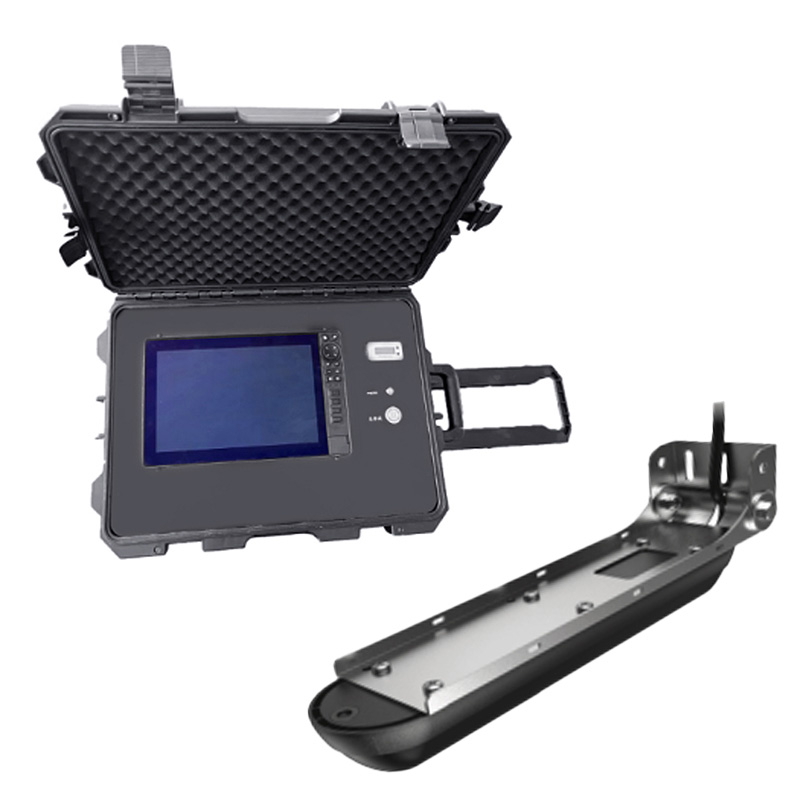
Handheld Digital Depth Sounder operates based on the principle of echo sounding: a transducer emits high-frequency acoustic waves underwater and receives the returning echoes, automatically calculating the water depth based on the elapsed round-trip time. It is suitable for use in various bodi...
Highway environmental meteorological monitoring system has been widely used in road construction with its advantages of convenience, speed and accuracy. However, due to the special nature of highway construction conditions, the environmental meteorological observation equipment puts forward high req...
Smart street light monitoring sensor is a dedicated meteorological and environmental monitoring device for smart streetlights, representing a new generation of infrastructure for smart city construction. It is used to monitor air quality and environmental pollution levels, detecting parameters such as air temperature, humidity, light intensity, PM2.5, PM10, and noise, and displaying real-time environmental data....
Strawberries are fruits in spring, but with the development of greenhouse technology, we can now also eat strawberries in winter. Winter strawberries are harvested from greenhouses because they have meteorological requirements. Therefore, we can create an environment suitable for strawberry growth i...


 Skype
 whatsapp
 mail