Shandong Fengtu IOT Technology Co., Ltd
Sales Manager:Ms. Emily Wang
Cel,Whatsapp,Wechat:+86 15898932201
Email:info@fengtutec.com
Add:No. 155 Optoelectronic Industry Accelerator, Gaoxin District, Weifang, Shandong, China


Sales Manager:Ms. Emily Wang
Cel,Whatsapp,Wechat:+86 15898932201
Email:info@fengtutec.com
Add:No. 155 Optoelectronic Industry Accelerator, Gaoxin District, Weifang, Shandong, China
time:2024-10-23 08:43:39 source:Weather Station viewed:824 time
Precipitation, as a phenomenon in which liquid or solid water falls to the ground after atmospheric water vapor condenses, includes rain and snow. It is generated by atmospheric circulation disturbances and is a key part of the Earth's water cycle. It is also the only way for terrestrial organisms far from rivers and lakes to replenish fresh water, and it is also the source of surface runoff and the main source of groundwater recharge. However, the uneven spatial distribution and unstable temporal changes of precipitation can cause floods, waterlogging, and droughts.
Real-time observation of rainfall and snowfall can efficiently carry out agricultural exploration and forest farm management work. Effectively ensure the health status of crops and animals, increase production capacity and reduce the time required for management.
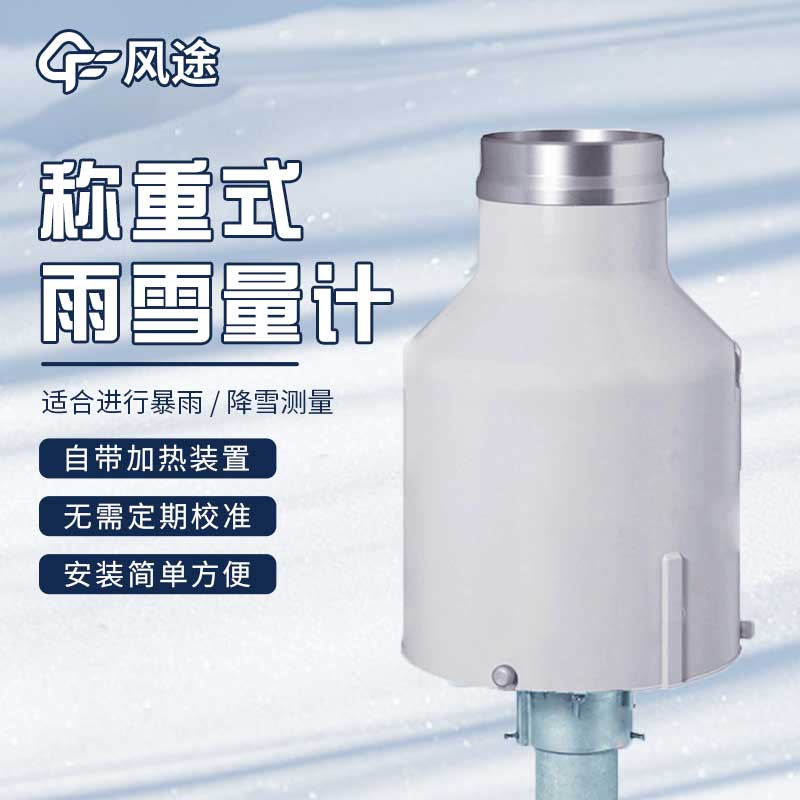
The Rain and Snow Sensor is an important meteorological monitoring device. The wireless Rain and Snow Sensor DT-WS115 has an extremely short response time for measuring the presence or absence of rain and snow, not exceeding 0.5 seconds. The AC measurement technology is adopted, which can effectively prevent the induction disk from undergoing oxidation reaction and ensure long-term high sensitivity. It has an IP68 protection level design and can work stably in outdoor environments for a long time.
This Rain and Snow Sensor has multiple transmission methods to choose from, such as uploading in 485 mode or switching output, which is convenient for realizing centralized monitoring and management. It can also be optionally equipped with an automatic heating function, which is suitable for snow detection scenarios. In occasions where the temperature is below zero for a long time and in high-humidity environments, it can prevent icing. When heating, the temperature is strictly controlled within 40°C (default value) to avoid dry burning and resulting peroxidation, thereby prolonging its service life. The sensitivity of the sensor can be adjusted, making it more flexible and changeable to use. At the same time, alarm and reset delay can also be set to prevent interference caused by frequent alarms on site.
Its power supply is 10 to 30V DC, and the normal working power is only 0.4W. The storage environment is between -40°C and 80°C. When heating, the working power is 2.4W, and the working temperature environment is -40°C to 60°C. The output signals are 485 and relay. The default modbus address is 01, and it supports function codes 03 and 06. The heating start ambient temperature is less than 15°C (default), and the maximum heating temperature is 40°C (default). The output relay's load capacity is 250VAC 1A/30VDC 1A.
water level detection is used to detect the level of moveable substances and can be used to accurately determine the level of water in tanks, ponds, rivers or any other body of water....
FT - B4BS Agriculture Sensors are capable of comprehensively monitoring four key environmental parameters: air temperature, air humidity, carbon dioxide concentration, and light intensity. For growing crops, temperature and humidity affect the transpiration and water absorption of crops, carbon diox...
Sludge concentration meter Utilizes the infrared scattered light method to measure sludge concentration in water. It supports RS485 signal transmission and features anti-interference capabilities, self-cleaning functions, and low drift. Designed for municipal and industrial wastewater monitoring, it...
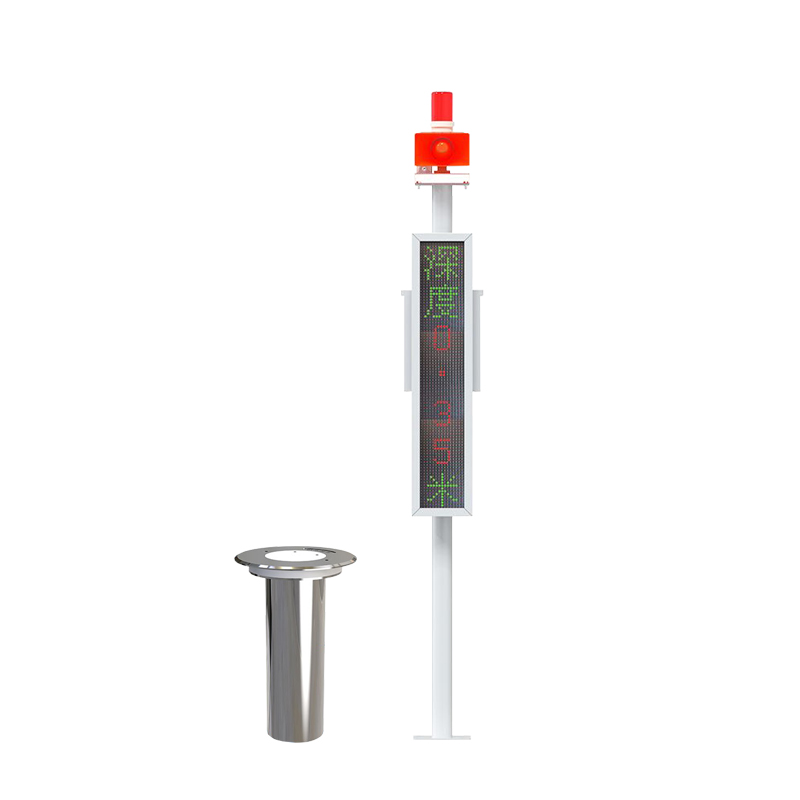
Water and Rain Monitoring SystemWater and rain conditions are important hydrological reference materials and are of great significance in regional water resources allocation and management. It refers to the water and rain conditions, and the specific index parameters are water level, flow rate, flow...


 Skype
Skype
 whatsapp
 mail
mail