Shandong Fengtu IOT Technology Co., Ltd
Sales Manager:Ms. Emily Wang
Cel,Whatsapp,Wechat:+86 15898932201
Email:info@fengtutec.com
Add:No. 155 Optoelectronic Industry Accelerator, Gaoxin District, Weifang, Shandong, China


Sales Manager:Ms. Emily Wang
Cel,Whatsapp,Wechat:+86 15898932201
Email:info@fengtutec.com
Add:No. 155 Optoelectronic Industry Accelerator, Gaoxin District, Weifang, Shandong, China
time:2025-01-13 13:48:13 source:Weather Station viewed:765 time
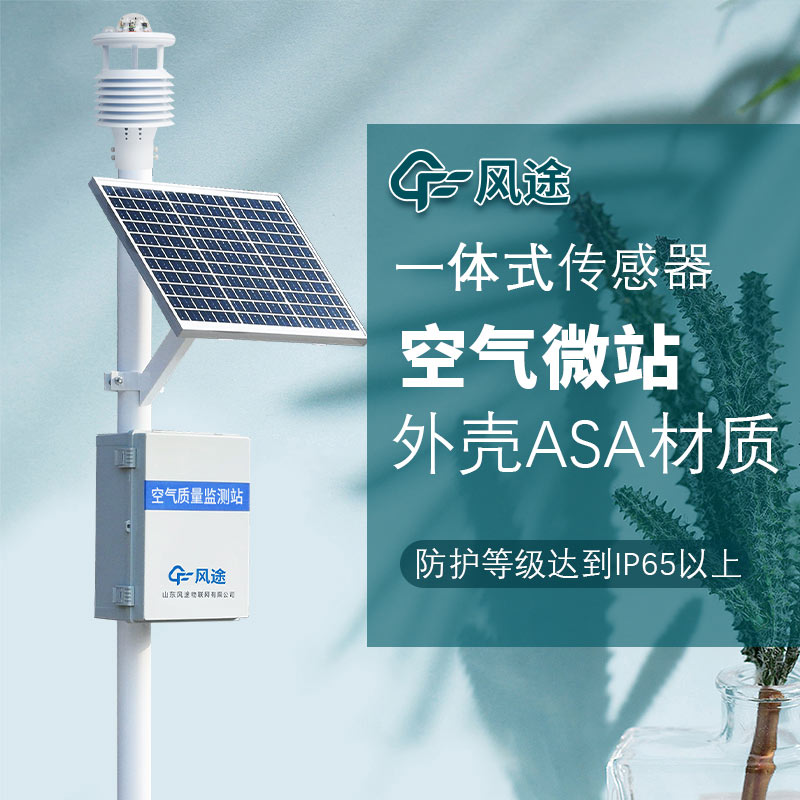
An air quality monitoring station is a technical system used for real - time monitoring of pollutant concentrations in the atmosphere. It can monitor air quality in real - time and give early warnings of pollution incidents. This system typically consists of sensors, data acquisition devices, data transmission systems, and data processing and analysis software.
Sensors can detect various pollutants, such as sulfur dioxide (SO₂), nitrogen dioxide (NO₂), carbon monoxide (CO), ozone (O₃), particulate matter (PM2.5, PM10), and so on.
The signals collected by the sensors are acquired and processed through a data acquisition module.
The processed data can be displayed in real - time for users to view on the instrument's display screen. It can also be transmitted to a computer or other devices for further analysis and storage through data interfaces (such as USB, RS485, etc.). There are two main data transmission methods: wired transmission and wireless transmission. Wired transmission usually uses Ethernet or RS485 bus, while wireless transmission mainly adopts wireless communication technologies such as GPRS, 3G, and 4G.
The information system platform, which is used to receive and store the automatic monitoring data of ambient air quality, communicates with the monitoring sub - stations through the network, receives the monitoring data, and can remotely control the monitoring instruments.
Compared with traditional periodic sampling monitoring, real - time monitoring can detect changes in air quality more promptly and provide support for a rapid response to pollution incidents.
When the pollutant concentration detected exceeds the preset threshold, the system will automatically issue an alarm prompt so that timely measures can be taken. This function is crucial for preventing and responding to sudden environmental incidents, as it can minimize the impact of pollution on the environment and human health.
In summary, as an important tool for environmental monitoring, the air quality monitoring station achieves real - time, comprehensive, and remote monitoring of air quality through a variety of sensor technologies and data processing technologies. It not only provides scientific decision - making basis for environmental protection departments but also provides the public with timely and accurate air quality information, helping us jointly protect the blue sky and create a healthier and more beautiful living environment. With the continuous progress of technology, the air quality monitoring station will continue to be improved and developed, playing an even greater role in the cause of environmental protection.
In this day and age, the importance of water resources cannot be overstated, as it is a basic condition essential to the survival of human beings and living things. Water pollution and continuous consumption of water resources become more and more scarce, which puts forward serious problems and chal...
In the Internet era, soil moisture monitoring systems can be revitalized by combining with technologies such as the Internet of Things, big data and artificial intelligence. For example, real-time monitoring and remote transmission of soil moisture data can be realized by using IoT technology. By de...
4-Component Net Radiometer consists of two shortwave and two longwave radiometers, one at the top and one at the bottom. It simultaneously measures the four components of downward and upward shortwave radiation and downward and upward longwave radiation. The net radiation flux at the Earth'...
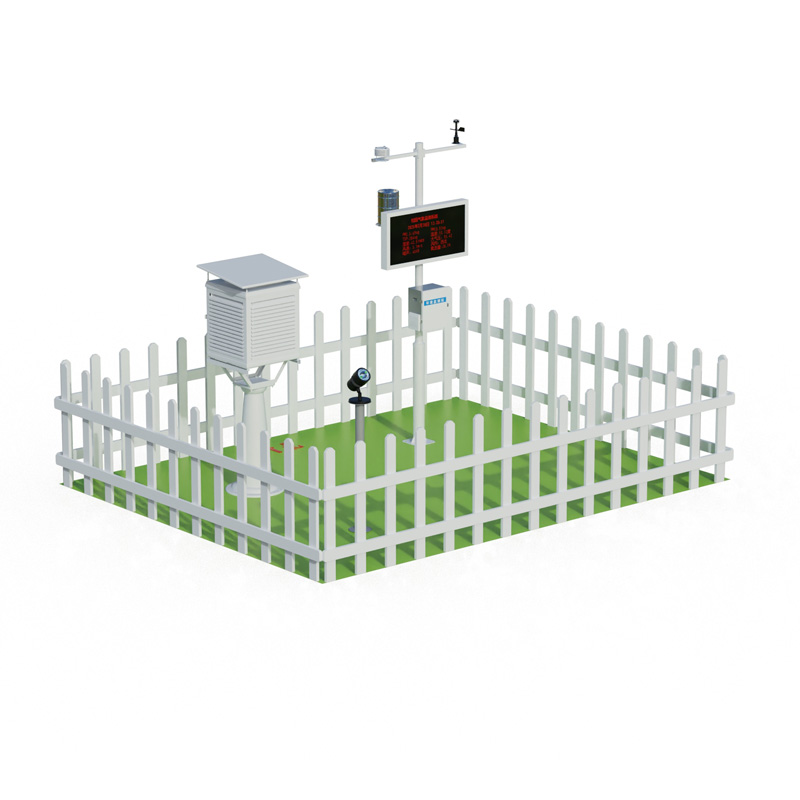
Ground-based multi-element automatic weather stations are the basic facilities to achieve large scale, long time continuous observation. With the rapid development of computer technology and communication network technology, it needs to be modified and upgraded in order to improve the data processin...


 Skype
Skype
 whatsapp
 mail
mail