Shandong Fengtu IOT Technology Co., Ltd
Sales Manager:Ms. Emily Wang
Cel,Whatsapp,Wechat:+86 15898932201
Email:info@fengtutec.com
Add:No. 155 Optoelectronic Industry Accelerator, Gaoxin District, Weifang, Shandong, China


Sales Manager:Ms. Emily Wang
Cel,Whatsapp,Wechat:+86 15898932201
Email:info@fengtutec.com
Add:No. 155 Optoelectronic Industry Accelerator, Gaoxin District, Weifang, Shandong, China
time:2026-07-20 09:57:52 source:Weather Station viewed:37 time
The Scattered radiation sensor sensor consists of two parts: a total radiometer and a shading ring. The shading ring, through a ring loop, scale, lead screw adjustment screw, support, and base, continuously blocks direct solar radiation from sunrise to sunset. Sensor testing range: 0–2000 W/m², resolution 1 W/m², accuracy ±5%, sensitivity: 7–14 μV/w.m⁻², response time: ≤35 seconds (99%). It is suitable for meteorology, solar energy, and agriculture.
The Scattered radiation sensor sensor is a core instrument used in meteorological observation and solar energy research to measure the intensity of scattered radiation from the sky. This type of sensor consists of two main parts: a total radiometer and a shading ring. The total radiometer receives solar radiation signals, while the shading ring continuously blocks direct solar radiation from sunrise to sunset, ensuring that the total radiometer only receives scattered radiation from the sky.
The structural design of the shading ring directly affects the measurement accuracy of scattered radiation. The shading ring consists of a ring itself, a scale, an adjusting screw, a bracket, and a base. The ring is 65mm wide and 400mm in diameter, and is fixed to the adjusting screw on the scale. The scale is engraved with latitude and declination markings. The scale and bracket are fixed to the base, and the fixing must be adjusted according to the geographical latitude of the installation location. The total radiation meter is mounted on the bracket platform, its height ensuring the radiation sensing plane is centered on the shading ring. Adjusting the declination angle allows the shading ring to block direct solar radiation throughout the day. During installation, the edge of the base must be aligned north-south, and the scale must point due north.
The technical parameters of this sensor are as follows: Test range: 0~2000W/m2, resolution: 1W/㎡, accuracy: ±5%, sensitivity: 7~14μV/w.m-2, response time: ≤35 seconds (99%), internal resistance: approximately 350Ω, spectral range: 0.3~3μm, annual stability: ±2%, cosine response: ≤±7% (at a solar altitude angle of 10°), azimuth response error: ≤5% (at a solar altitude angle of 10°), operating ambient temperature: -40℃~+50℃. These indicators cover key performance aspects such as measurement range, accuracy, response speed, and environmental adaptability.
Scattered radiation sensor operates based on the thermoelectric effect principle. The sensing element uses a wire-wound electroplated multi-junction thermopile with a high-absorption black coating. The hot junction is located on the sensing surface, and the cold junction is located inside the device. The hot and cold junctions generate a thermoelectric potential, and the output signal is proportional to the solar irradiance within the linear range. To minimize the impact of temperature, the sensor is equipped with a temperature compensation circuit and uses a double-layered quartz glass cover to protect the sensing element.
Scattered radiation sensor has wide applications in meteorological detection, atmospheric environment monitoring, climate observation, solar energy utilization, agriculture, and building physics research. Proper maintenance is required when using the shading ring; the ring components should be kept clean regularly, and the lead screw should rotate freely. Because the shading ring blocks direct radiation but also some sky scattering, the measurement results need to be multiplied by the shading ring correction factor to obtain an accurate value of scattered radiation.
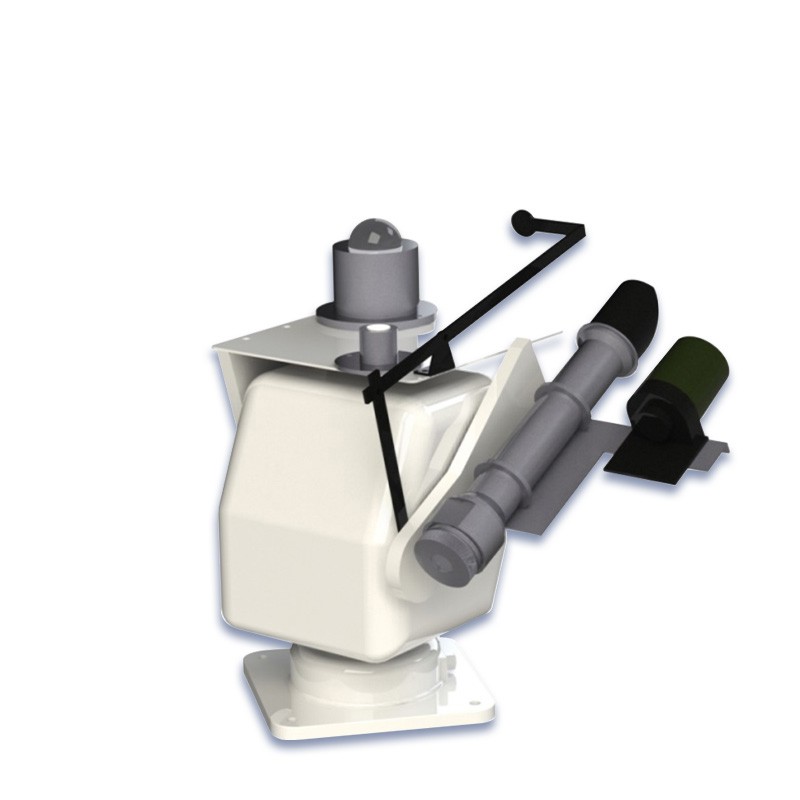
Ultrasonic wind speed sensor is an instrument for measuring wind speed, which uses the propagation and reflection of ultrasonic waves to measure the speed of wind. This sensor is widely used in wind energy, meteorology, air flow measurement, and other scientific experiments. In the following article...
FT-WQX2 Ultrasonic Wind Speed Direction Sensor applies the principle of ultrasonic time difference method. By transmitting continuous frequency-modulated ultrasonic signals, it utilizes the characteristic that the propagation speed of ultrasonic waves in the air is affected by wind speed to measure...
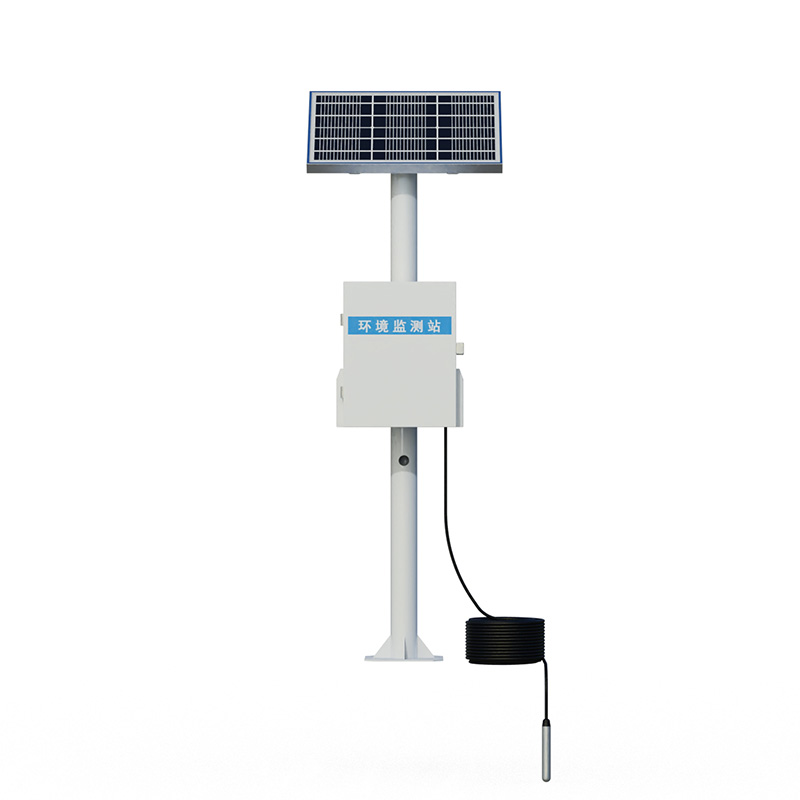
Automatic weather stations are widely used weather observation instruments, suitable for monitoring weather data in the region. And with the continuous market segmentation, Windway Technology has launched the portable automatic weather station.FT-BOX series portable automatic weather station is desi...
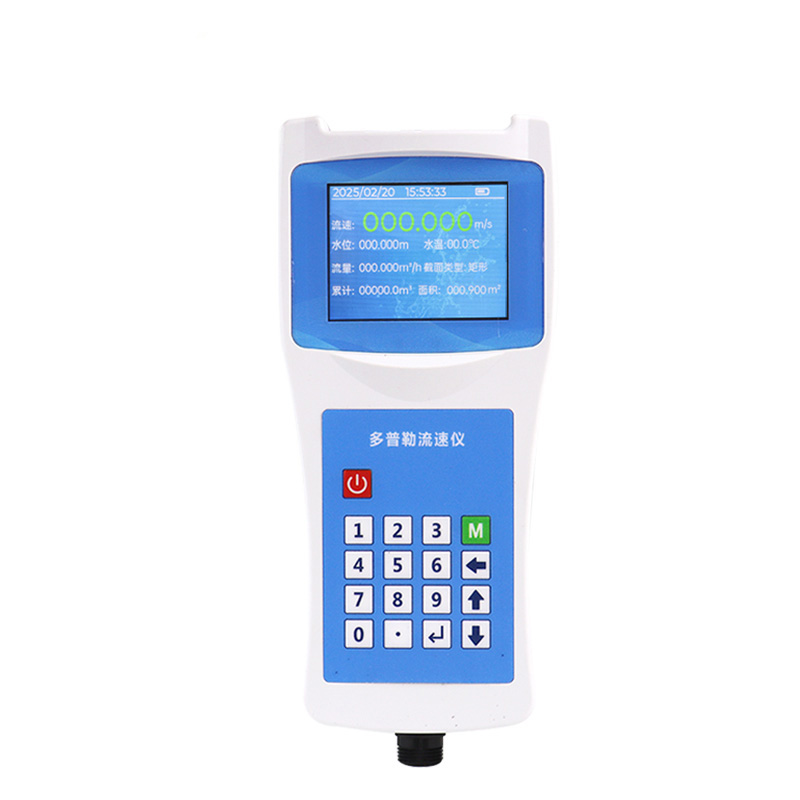
Flow meter is a hydrological velocity measuring instrument based on the direct proportionality between propeller speed and flow velocity. Its velocity measurement range is 0.06 to 8.00 meters per second, with a measurement error not exceeding 1.5%. It consists of a velocity sensor, a velocity...


 Skype
Skype
 whatsapp
 mail
mail