Shandong Fengtu IOT Technology Co., Ltd
Sales Manager:Ms. Emily Wang
Cel,Whatsapp,Wechat:+86 15898932201
Email:info@fengtutec.com
Add:No. 155 Optoelectronic Industry Accelerator, Gaoxin District, Weifang, Shandong, China


Sales Manager:Ms. Emily Wang
Cel,Whatsapp,Wechat:+86 15898932201
Email:info@fengtutec.com
Add:No. 155 Optoelectronic Industry Accelerator, Gaoxin District, Weifang, Shandong, China
time:2026-05-28 09:17:04 source:Weather Station viewed:167 time
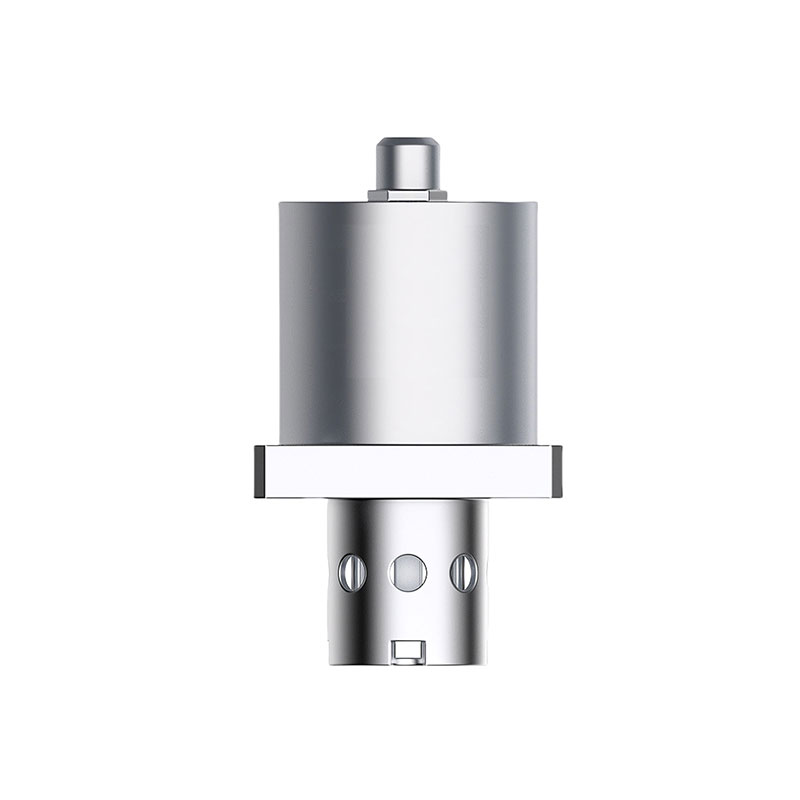
The oil density sensor employs a piezoelectric resonant MEMS core component, integrating high-precision signal acquisition and intelligent algorithms to synchronously measure liquid density, dynamic viscosity, and temperature in real time. It is suitable for equipment such as hydraulic power stations, gearboxes, diesel engines, turbines, and air compressors.
The state of oil in industrial equipment directly affects the stability and lifespan of the equipment. Changes in oil density, viscosity, and temperature often indicate oxidation, contamination, or contamination with other liquids. Traditionally, periodic sampling and testing are used, but sampling is time-consuming and cannot cover oil changes under different operating conditions. The oil density sensor uses a piezoelectric resonant MEMS element as its measurement core, synchronously acquiring density, dynamic viscosity, and temperature in real time, providing continuous data support for equipment condition assessment.
The working principle of the piezoelectric resonant MEMS element is based on the correlation between resonant frequency and the physical properties of the liquid. The oscillator inside the sensor is maintained in a resonant state under the drive of the electronic unit. When liquid flows through the sensor probe, the change in resonant frequency directly reflects the density value, while the quality factor is related to viscosity. Through a built-in high-precision signal acquisition and processing unit and intelligent algorithms, the sensor can complete data acquisition and calculation in a very short time, with a refresh rate of once per second. No manual operation is required; all detection is completed automatically by the sensor, and it can be put into operation immediately upon installation on the pipeline.
The technical parameters of the oil density sensor cover common industrial application requirements. Density measurement range is 600 to 1250 kg/m³, with an accuracy of ±3% and a resolution of 0.1 kg/m³; dynamic viscosity range is 1 to 400 cP, with an accuracy of ±3%; temperature measurement range is -20 to 125℃, with an accuracy of ±0.3℃. The sensor is made of 316 stainless steel, with an IP65 protection rating, a pressure resistance of 2 MPa, and a permissible flow velocity not exceeding 3 m/s. The digital signal output adopts the RS485 MODBUS RTU protocol, and a 4 to 20 mA analog current output is also optional.
In hydraulic power units, oil density changes after emulsification. In gearboxes, excessively high viscosity after prolonged operation affects lubrication. Aging oils in diesel engines and turbines lead to decreased viscosity and accelerated equipment wear. Abnormal oil temperature in air compressors may indicate a cooling system malfunction. Oil density sensors can be used to monitor these scenarios. The sensors are suitable for various oils, including lubricating oil, hydraulic oil, gear oil, gasoline, diesel, and aviation fuel. After connecting the sensor to the equipment pipeline, maintenance personnel can monitor oil status changes in real time from the control room. The system issues an alert when any parameter exceeds a set threshold. This online monitoring method replaces periodic sampling and testing, helping factories detect problems in the early stages of oil deterioration and avoiding equipment downtime and economic losses due to oil failure.
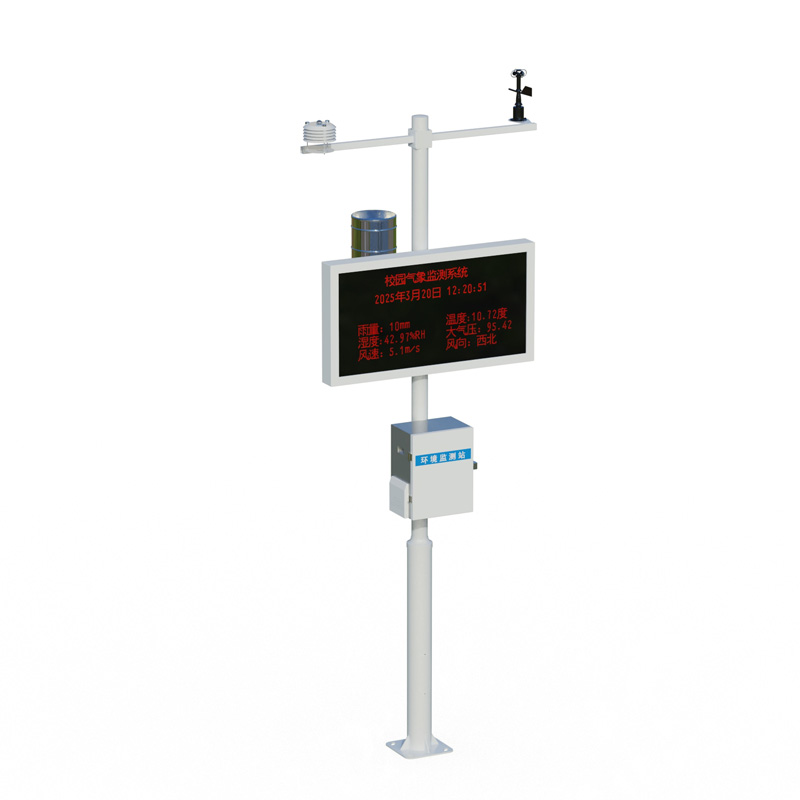
ambient weather sensor is usually installed outdoors and can measure and record weather phenomena such as temperature, humidity, air pressure, wind speed, wind direction, and precipitation....
Chloride Ion Sensor relies on the principle of ion selection to measure the concentration of free chloride ions in water in real time, with a range of 0-3500.0 mg/L. It features RS-485 (MODBUS-RTU) signal output, offering rapid and economical detection, and is suitable for online chloride ion...
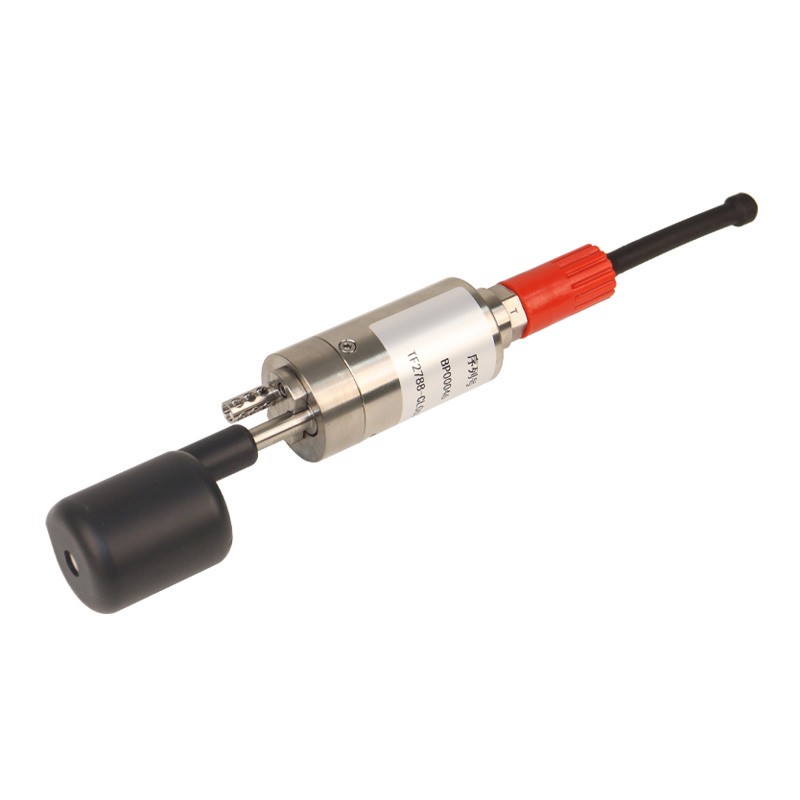
Handheld Anemometer is a versatile, portable device specifically designed to measure key meteorological parameters such as wind direction, wind speed, atmospheric pressure, temperature, and humidity. It is equipped with a 2.1-inch LCD display for showing real-time data and features a specially desig...
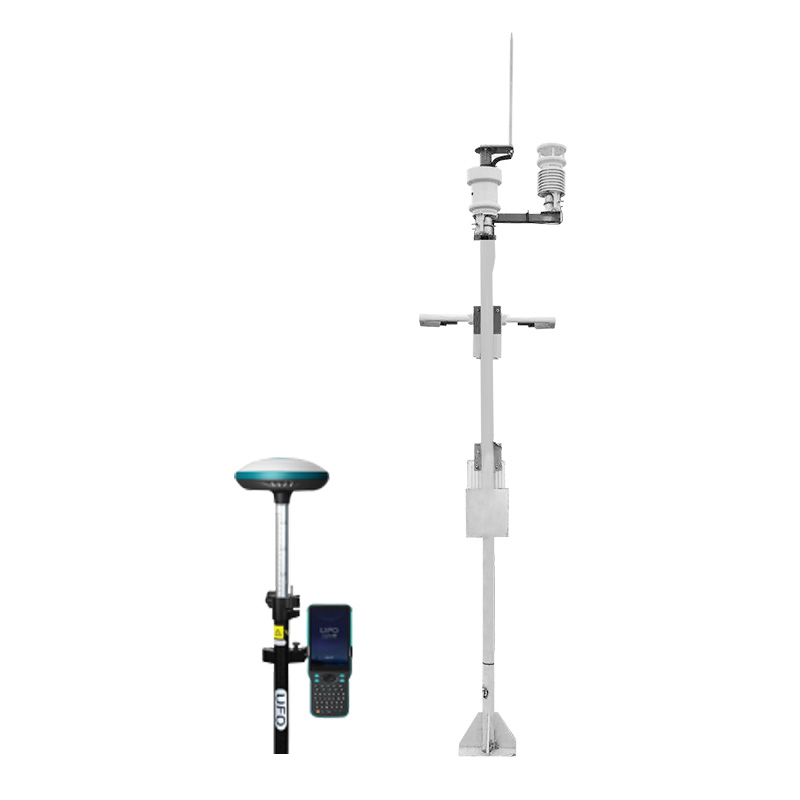
A miniature weather monitoring station is a device for measuring, recording and transmitting meteorological data, which usually consists of multiple sensors that can measure a wide range of meteorological parameters such as temperature, humidity, barometric pressure, wind speed, wind direction, rain...


 Skype
Skype
 whatsapp
 mail
mail