Shandong Fengtu IOT Technology Co., Ltd
Sales Manager:Ms. Emily Wang
Cel,Whatsapp,Wechat:+86 15898932201
Email:info@fengtutec.com
Add:No. 155 Optoelectronic Industry Accelerator, Gaoxin District, Weifang, Shandong, China


Sales Manager:Ms. Emily Wang
Cel,Whatsapp,Wechat:+86 15898932201
Email:info@fengtutec.com
Add:No. 155 Optoelectronic Industry Accelerator, Gaoxin District, Weifang, Shandong, China
time:2023-02-13 17:34:49 source:Weather Station viewed:1172 time
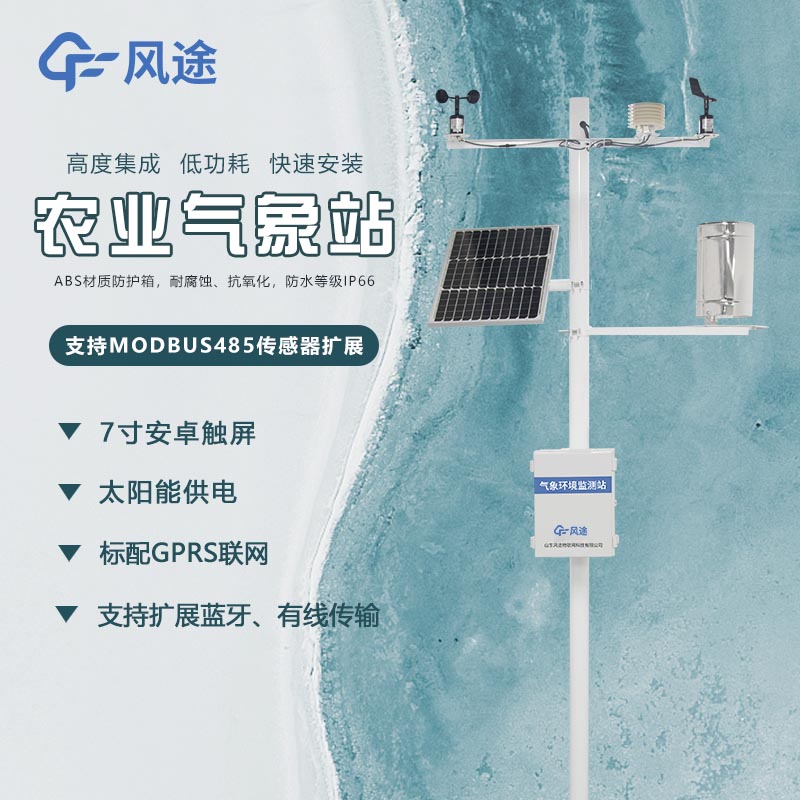
Field microclimate refers to a small local area, which is the most important environmental condition affecting crop growth and development and yield formation. By analyzing the distribution and characteristics of microclimate elements in farmland through field microclimate observation stations, we can find out measures to improve the environmental conditions for crop growth (i.e., farm microclimate conditions), thus making these microclimate conditions favorable for crop growth and development, which is of great importance for improving crop yield and quality.
In traditional agricultural production, farmers can only rely on their own experience and general weather forecasts for planting and field management, and have limited access to information and their own knowledge reserves are not rich enough to meet the needs of modern agricultural production. Today, with the development of modern science and technology, field temperature, relative humidity, soil temperature and soil moisture are collected by field microclimate observatories and other devices, which help agricultural growers to recognize the climate change in the planting environment and make targeted adjustments to agriculture to promote better and healthier growth and development of crops, thereby improving yield and quality.
The field microclimate observatory, also known as a small automatic weather station, can monitor meteorological elements such as wind direction, wind speed, rainfall, temperature, relative humidity, soil temperature and soil moisture, which can provide data reference for farmers to sow seeds, apply medicine, fertilizer, disease prevention and later field management. In addition, the instrument is also used to conduct theoretical and applied research on farmland microclimate, investigation, analysis and exploitation of agro-climatic resources, agro-meteorological disaster defense, etc., to predict and control the occurrence and growth of pests and diseases, and to evaluate the effects of farmland technical measures, which are also very important.
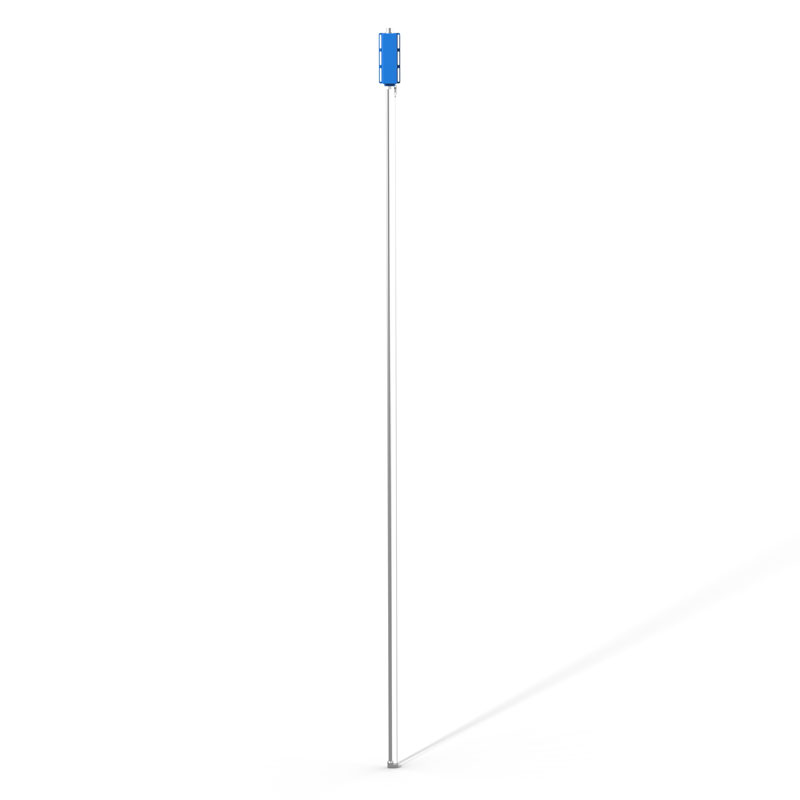
Slope Stability Radar integrates multiple sensors, including slope radar, to achieve 24-hour automated monitoring of geological disasters such as landslides, collapses, and debris flows. The system boasts sub-millimeter deformation measurement accuracy and intelligent early warning capabilitie...
Open Channel Flow Meter consists of a radar velocity meter and a radar water level gauge. Utilizing non-contact radar technology, it calculates flow rate by acquiring data on flow velocity, water level, and cross-sectional geometry; it is primarily employed for flow monitoring in hydraulic eng...
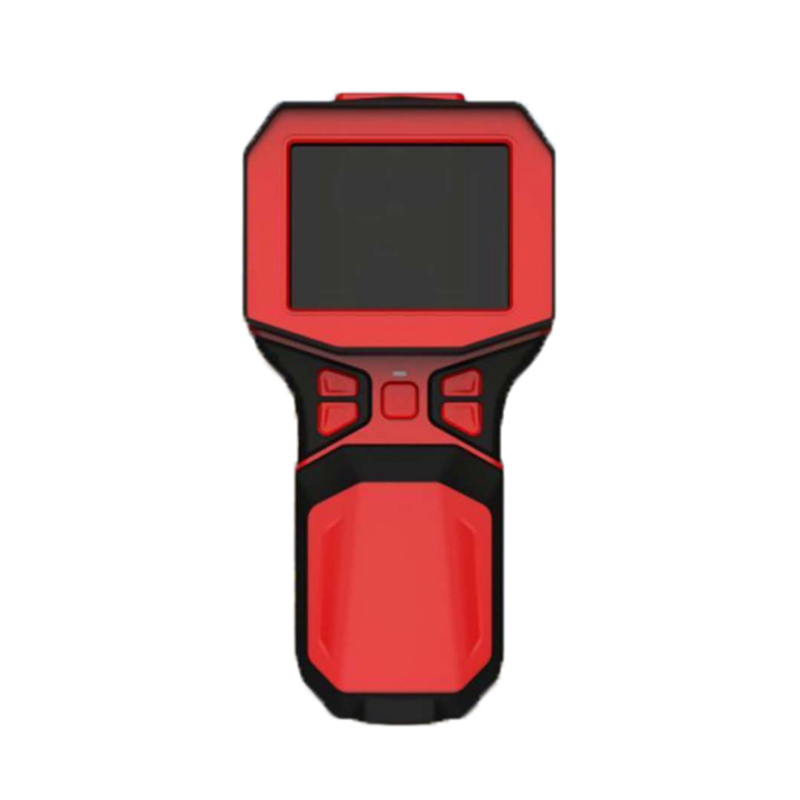
The portable Doppler flow meter utilizes the ultrasonic Doppler effect to measure flow velocity and discharge. Suitable for various operating conditions—including rivers, open channels, and pipelines—it features high measurement accuracy, low power consumption, and long battery life. It simultaneo...
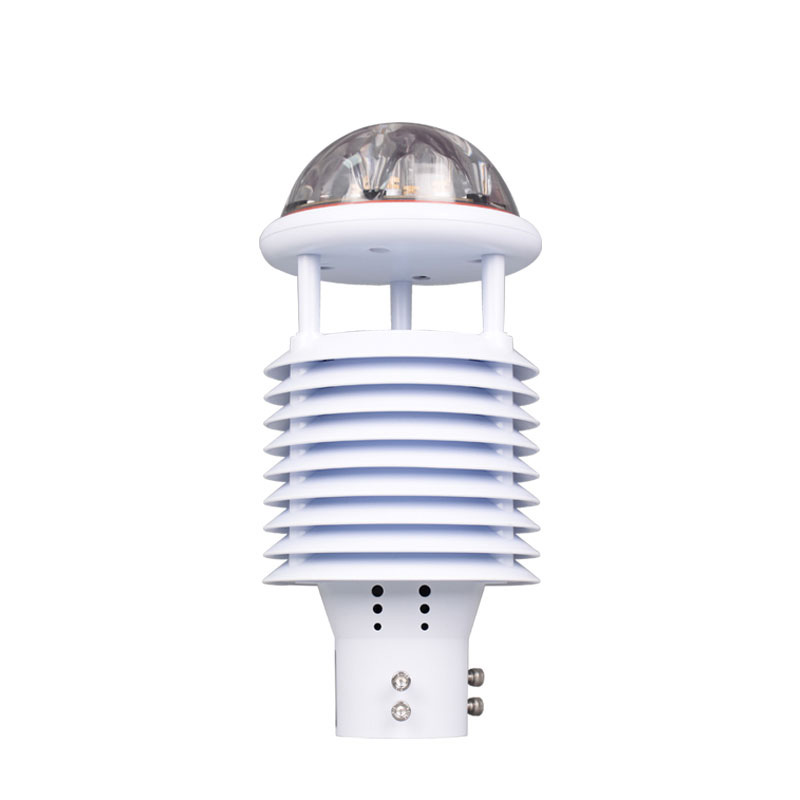
Road surface condition data is one of the most important parameters of concern for traffic safety, apart from visibility. Whether there is water on the road surface. Snow, ice and other road conditions are one of the safety hazards alerted to. FT-LM2 non-contact road condition detector uses remote s...


 Skype
Skype
 whatsapp
 mail
mail