Shandong Fengtu IOT Technology Co., Ltd
Sales Manager:Ms. Emily Wang
Cel,Whatsapp,Wechat:+86 15898932201
Email:info@fengtutec.com
Add:No. 155 Optoelectronic Industry Accelerator, Gaoxin District, Weifang, Shandong, China


Sales Manager:Ms. Emily Wang
Cel,Whatsapp,Wechat:+86 15898932201
Email:info@fengtutec.com
Add:No. 155 Optoelectronic Industry Accelerator, Gaoxin District, Weifang, Shandong, China
time:2024-12-30 13:01:49 source:Weather Station viewed:777 time
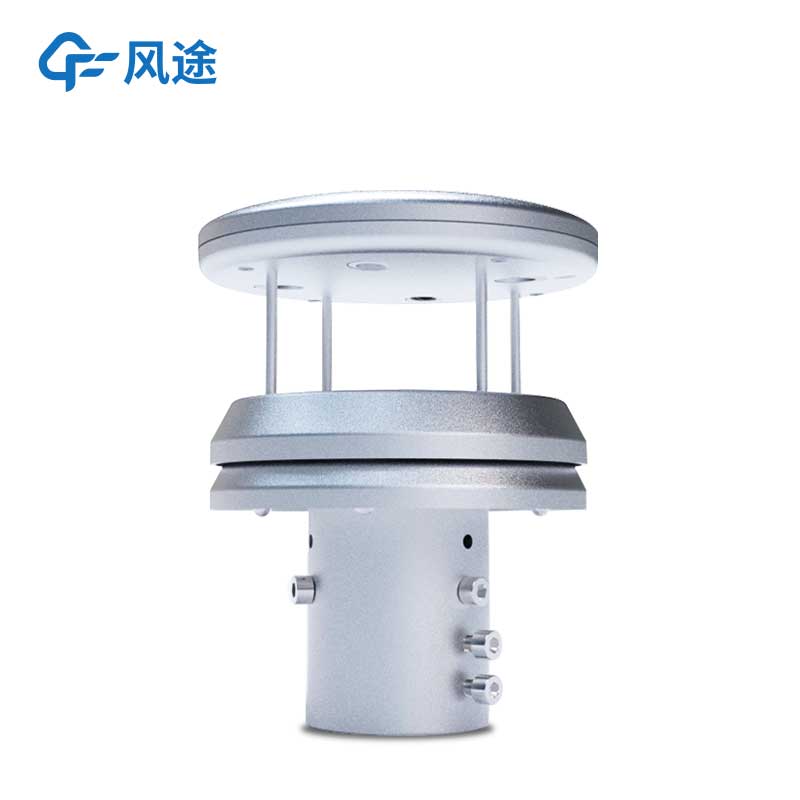
1.What is a rain gauge used for product overview
what is a rain gauge used for What is a rain gauge used for collecting and measuring liquid precipitation in a predetermined area.This piezoelectric rain sensor uses PVDF piezoelectric film as a rain-sensing device and uses an embedded AI neural network to distinguish raindrop signals to avoid false triggering caused by interference such as gravel, dust, vibration, etc.
It is widely used in meteorological environment monitoring, hydrology and water conservancy comprehensive monitoring stations, traffic and road monitoring, agriculture and forestry, wind power generation and other relevant departments to remotely measure precipitation amount, precipitation intensity, and precipitation start and end time.It is used for automatic hydrological forecasting and reporting systems, automatic field forecasting and reporting stations, etc.for the purposes of flood control, water supply dispatching, and power station and reservoir water regime management.
2.Functional features of what is a rain gauge used for
1.Integrated design, exquisite appearance
2.No mechanical accessories, no exposed parts, can filter similar signals introduced by environmental factors such as leaves, dust, insects, etc.
3.High measurement accuracy, wide range, good stability, low power consumption, and strong ability to resist external interference
4.It can work around the clock and is not affected by weather changes, and can monitor rainfall duration accurately to the second.
5.Maintenance-free, the raindrop contact surface is an arc-shaped design structure, and no rainwater is stored.
6.With automatic horizontal calibration function after installation, no on-site calibration is required
7.Small size, easy to carry, disassemble and install
8.Made of stainless steel, high strength, anti-oxidation and anti-corrosion
3.What is a rain gauge used for technical parameters
| Measuring range | 0-4mm/min |
| Measurement accuracy | ≤±4% |
| resolution | 0.01mm |
| Sampling frequency | <1S |
| Communication interface | RS485 |
| Communication protocol | MODBUS |
| power supply | DC12V |
| Power consumption | 0.12W |
| working temperature | -40~85℃ |
| Working humidity | 0~100%RH |
| Heating module (optional) | Current: 1A (DC12V) |
| Power consumption: 12-15W |
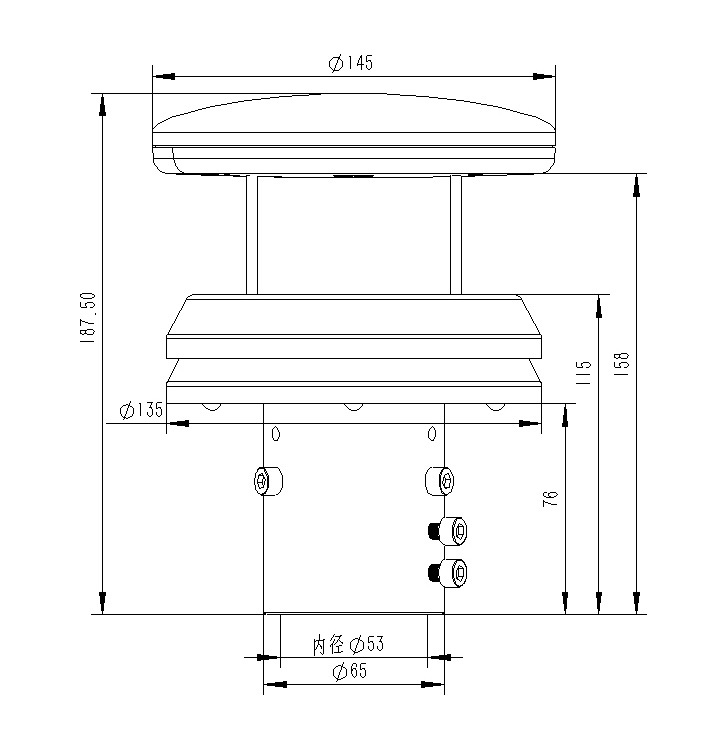
4.what is a rain gauge used for product size diagram
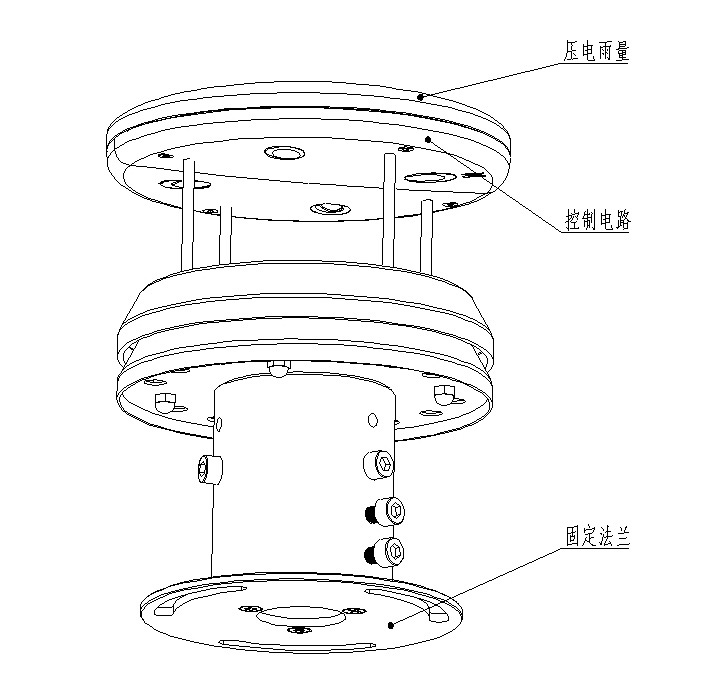
5.what is a rain gauge used for product structure diagram
6.Notes on what is a rain gauge used for
1.There is no obstruction within a radius of 1 meter around the sensor level to avoid the impact of water droplets splashing.
2.The sensor should be installed away from strong mechanical vibration sources.
3.There should be an open area above the sensor installation.Raindrops should fall directly to the sensor, and secondary dripping and continuous water flow impact should be avoided.
In an air quality monitoring station, the "four gases" refer to sulfur dioxide (SO₂), nitrogen dioxide (NO₂), carbon monoxide (CO), and ozone (O₃), while the "two particulates" are fine particulate matter (PM2.5) and inhalable particulate matter (PM10).Cities are vast in space...
3D anemometer employs ultrasonic measurement technology, featuring an all-metal body with no moving parts. It can simultaneously output wind speed data along the X, Y, and Z axes, making it suitable for meteorological monitoring, wind power generation, bridge and tunnel applications, and airpo...
The negative oxygen ion sensor in the scenic weather station is a device specialized in monitoring the concentration of negative oxygen ions. It detects the negative ions in the air by utilizing ionization and is able to measure the amount of negative ions.This sensor has the following characteristi...
The FT - FHQ2 Portable gas detector, launched by Fengtu Technology, is a Chinese-made composite gas detection device.This detector adopts a pump-suction gas detection method, actively extracting the gas to be detected, which greatly improves the detection efficiency. Its sensitive components u...


 Skype
Skype
 whatsapp
 mail
mail