Shandong Fengtu IOT Technology Co., Ltd
Sales Manager:Ms. Emily Wang
Cel,Whatsapp,Wechat:+86 15898932201
Email:info@fengtutec.com
Add:No. 155 Optoelectronic Industry Accelerator, Gaoxin District, Weifang, Shandong, China


Sales Manager:Ms. Emily Wang
Cel,Whatsapp,Wechat:+86 15898932201
Email:info@fengtutec.com
Add:No. 155 Optoelectronic Industry Accelerator, Gaoxin District, Weifang, Shandong, China
time:2026-05-21 10:32:34 source:Weather Station viewed:190 time
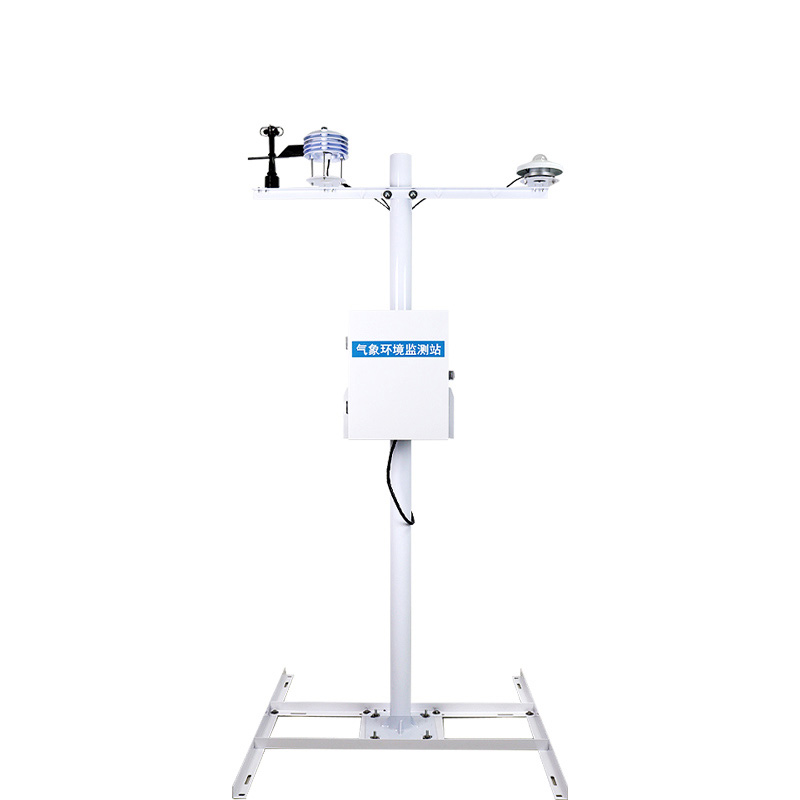
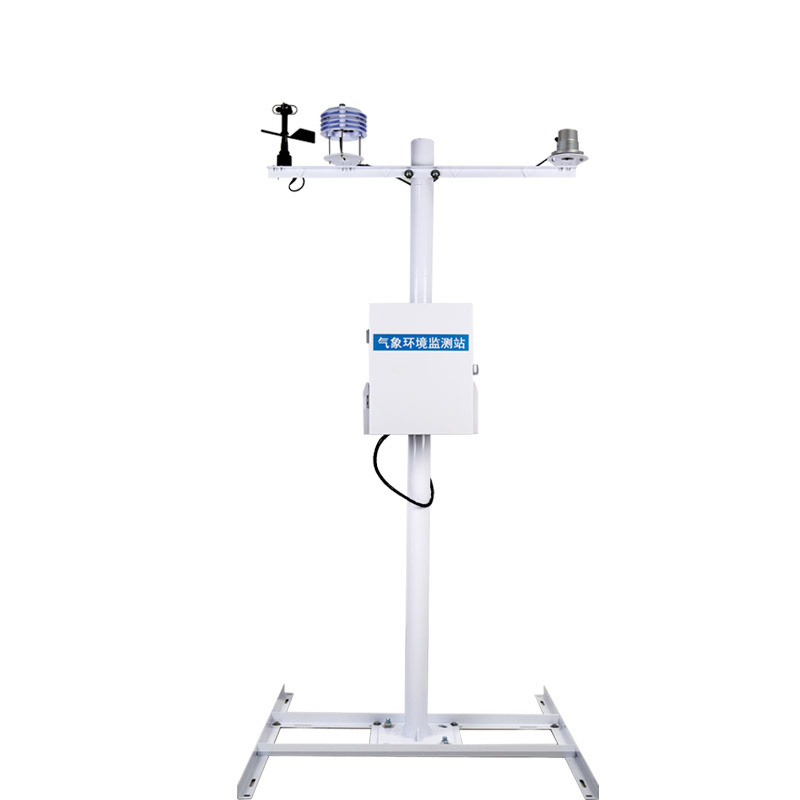
Photovoltaic environmental monitoring instruments utilize mains power and RS485 communication to simultaneously measure wind speed, wind direction, temperature and humidity, air pressure, total radiation and daily cumulative radiation, sunshine hours, and module temperature, providing comprehensive environmental data support for photovoltaic power plants.
The power generation efficiency of a photovoltaic power plant is closely related to environmental conditions. Sunlight intensity directly affects power generation, module temperature determines the working state of the photovoltaic panels, wind speed and direction relate to the structural safety of the equipment, while temperature and air pressure affect the system's heat dissipation and insulation performance. Therefore, photovoltaic power plants require a monitoring device capable of simultaneously collecting these elements; the photovoltaic environmental monitoring instrument is a multi-element integrated meteorological instrument designed for such scenarios.
The core function of the photovoltaic environmental monitoring instrument lies in covering ten user-specified monitoring elements. The instrument collects instantaneous wind speed and direction data through wind speed and direction sensors; some products can calculate average wind speed output, providing a basis for extreme weather warnings for the power plant. Temperature, humidity, and air pressure sensors record atmospheric conditions in real time, helping maintenance personnel assess the heat dissipation conditions and condensation risks of the modules. The thermoelectric total radiation sensor is a key component of the entire system. Based on the thermocouple temperature difference power generation principle, it measures solar radiation intensity within the range of 0 to 2000 W/m². The system can automatically calculate the daily cumulative radiation and the total cumulative radiation since the equipment was put into operation. Based on this radiation data, the system can also calculate the effective sunshine hours for assessing the utilization efficiency of photovoltaic resources. In addition, temperature sensors installed on the back of the photovoltaic modules collect the module's operating temperature in real time. This data reflects the actual heat loss state of the photovoltaic panels better than ambient temperature, providing direct reference value for overheating early warning and power generation efficiency analysis.
Regarding data output, photovoltaic environmental monitoring instruments generally adopt an RS485 communication interface and support the standard Modbus RTU protocol. When multiple sensors share the same bus, different slave addresses can be assigned, facilitating the host computer or data acquisition unit to read the real-time values of each monitored element one by one. This multi-address polling method saves hardware port resources and ensures the stability and compatibility of data transmission. Since power plant sites typically have stable AC power supply, the instruments are mostly powered directly by the 220V mains grid, avoiding the battery life issues of solar power during cloudy or rainy weather and ensuring uninterrupted operation of the monitoring system year-round.
The photovoltaic environmental monitoring instrument provides multi-factor data such as irradiance, temperature, and wind speed, covering all aspects of power plant operations, from resource assessment and power generation prediction to operation and maintenance management. For power plant designers, this measured data is the basis for optimizing photovoltaic array tilt angles and calculating installed capacity; for the operation and maintenance team, it is an important reference for scheduling cleaning cycles and troubleshooting. A well-configured monitoring system can help users more accurately understand the operating environment and power generation potential of the power plant.
The wetland park mini weather station is an important facility in the construction and management of the wetland park, which provides meteorological data and conducts analysis and research. It adopts wireless transmission technology, through the collection, storage and processing of data, realizing...
The weather station monitoring equipment is widely used in various fields that need weather monitoring, such as agriculture and hydrology. The equipment can monitor the rainfall near the ground, air temperature and humidity, wind speed and direction, air pressure, light radiation, carbon dioxide, so...
Ventilation parameters such as airflow and air volume are critical to mine safety and they must be accurately measured and controlled. The use of portable anemometers ensures that these parameters can be measured with the required accuracy, thus providing a strong guarantee for safe mine production....
Fengtu Technology has 4 water level monitoring stations, the models are: FT-SW1, FT-SW2, FT-SW3, FT-SW4. For details, please contact the customer service of this website.Fengtu Hydrological Monitoring Station adopts radar technology to measure hydrological data by non-contact method, with low power...


 Skype
Skype
 whatsapp
 mail
mail